137 · neko
Bioclimatic housing, Valdetorres de Jarama, Madrid
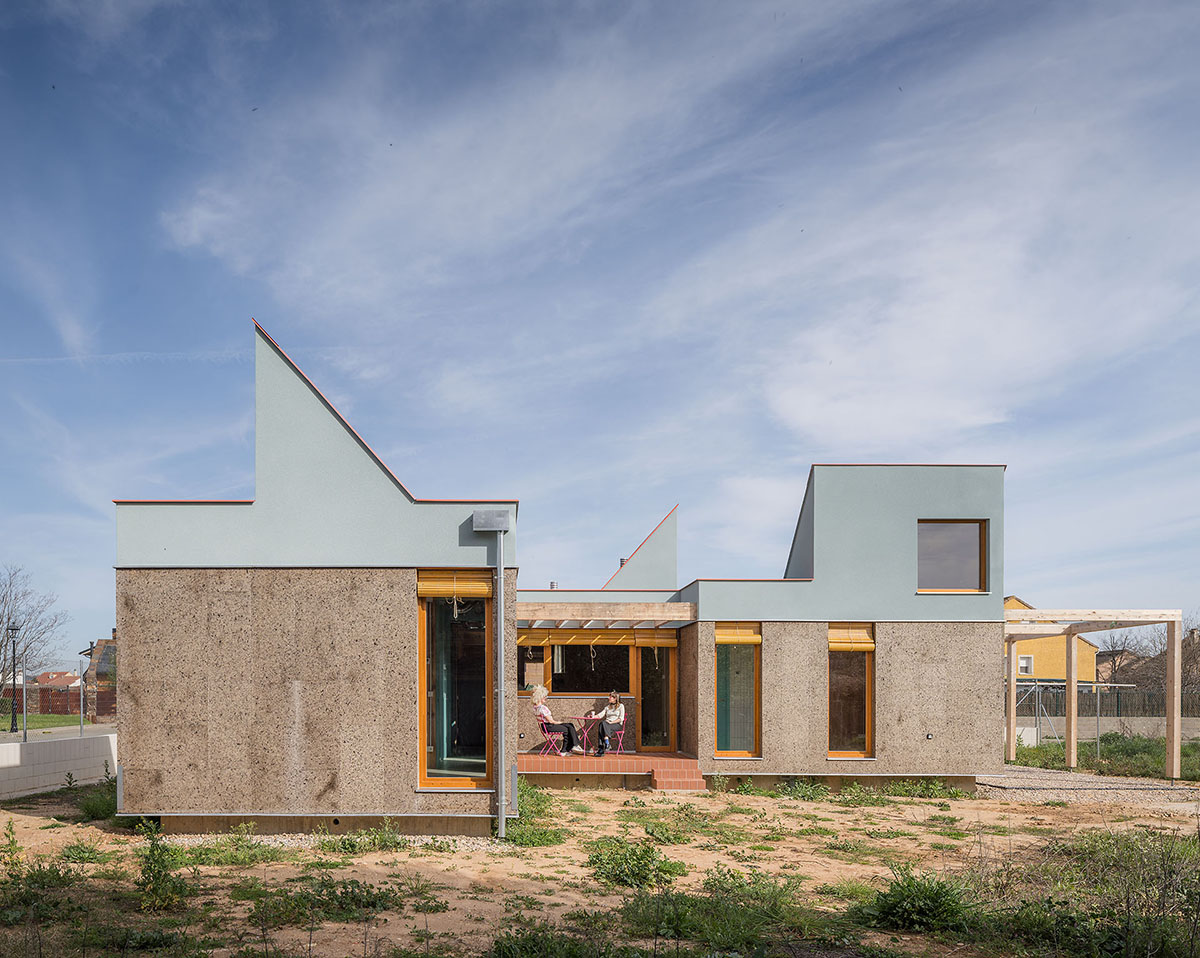
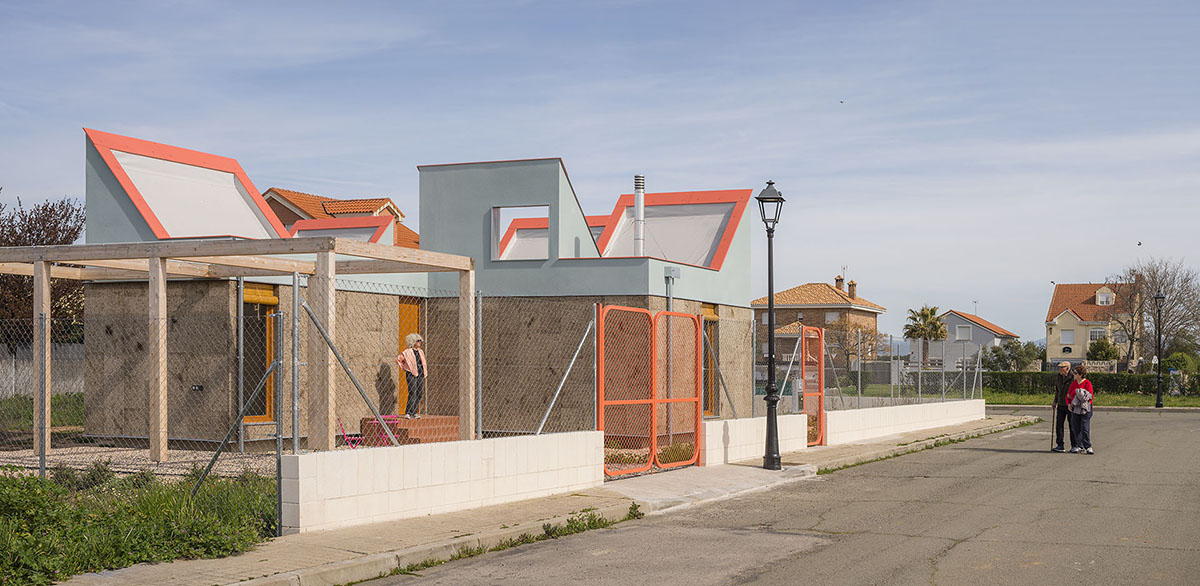
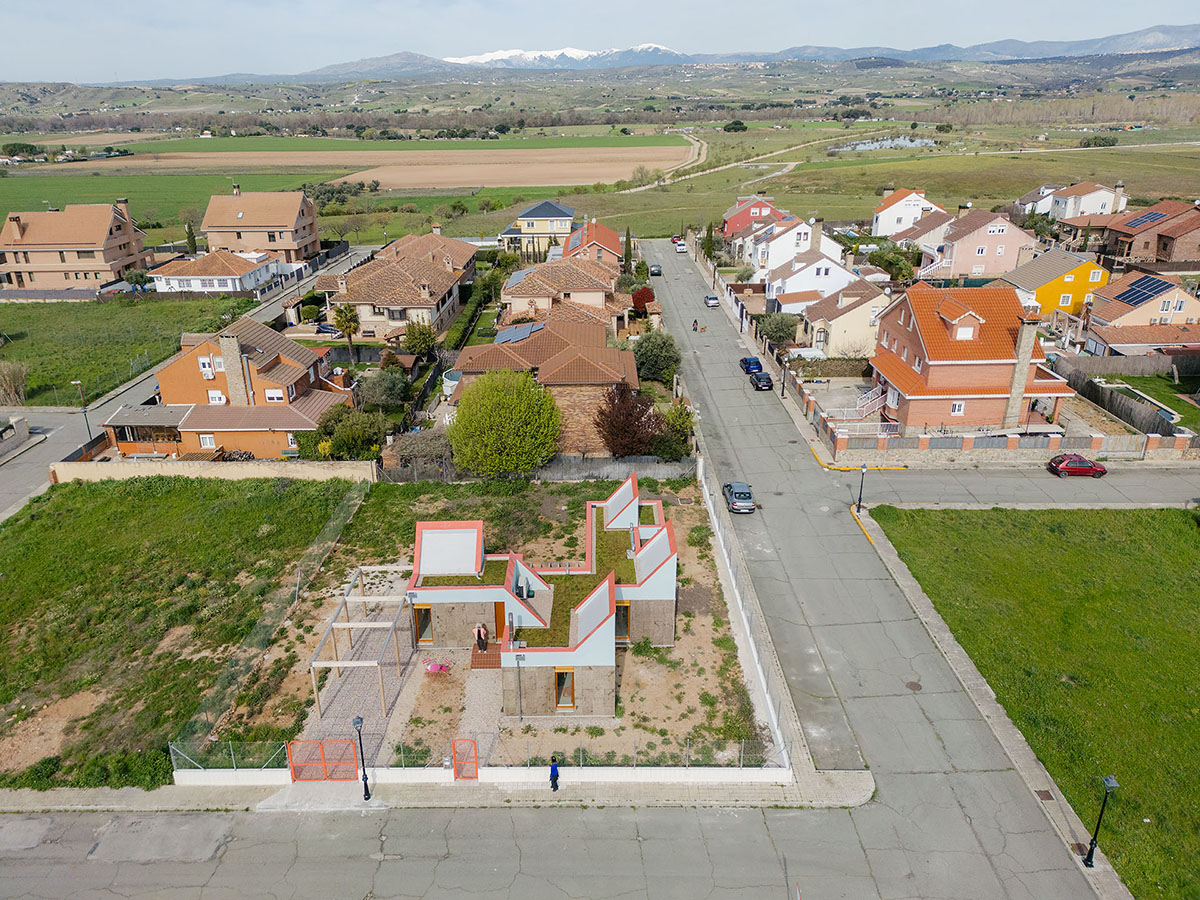
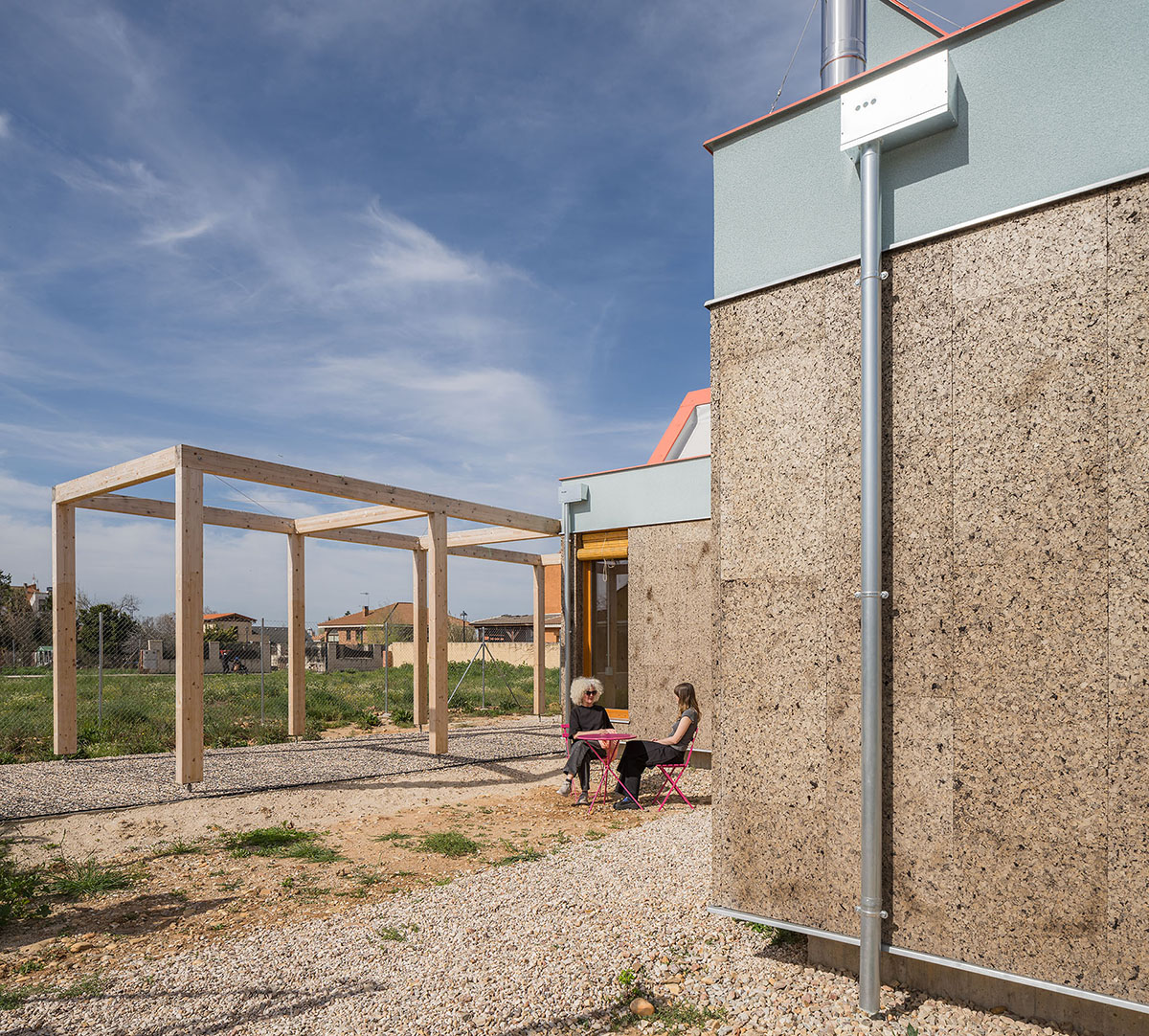
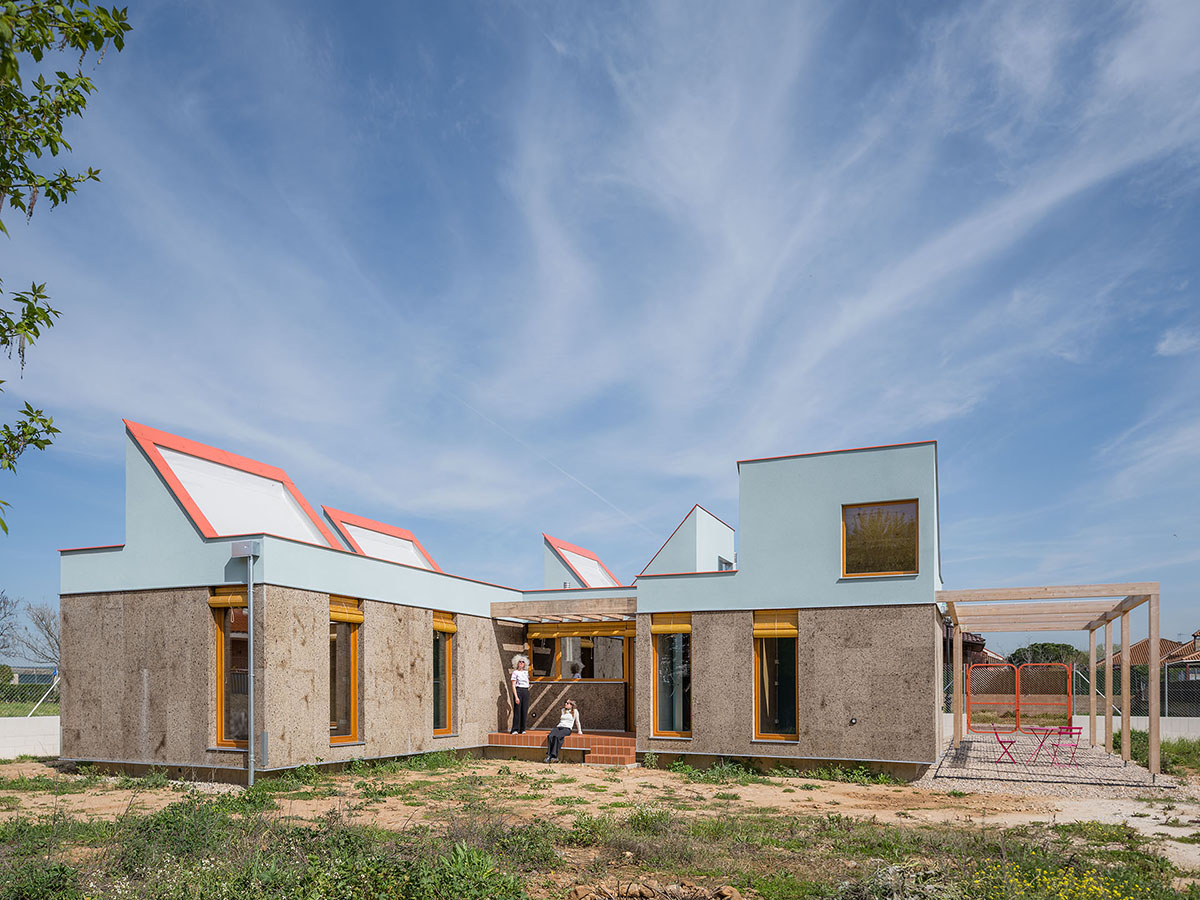
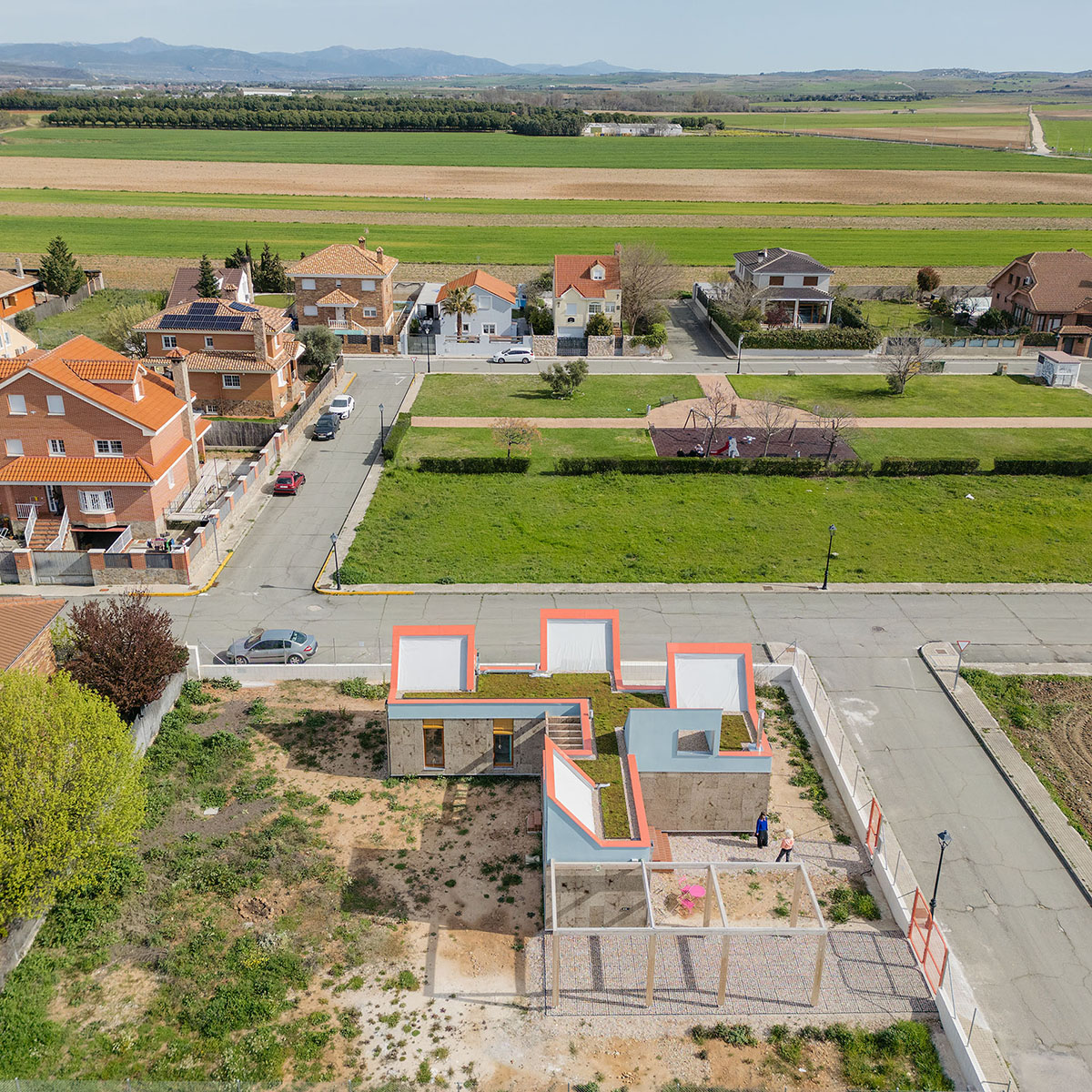
Located on the edge of town in Valdetorres de Jarama, Neko is conceived of as a place of domestic and ecological enjoyment and the start of a new life. Its design is rooted in a low environmental impact strategy mindful of the ecological performativity of its construction process.
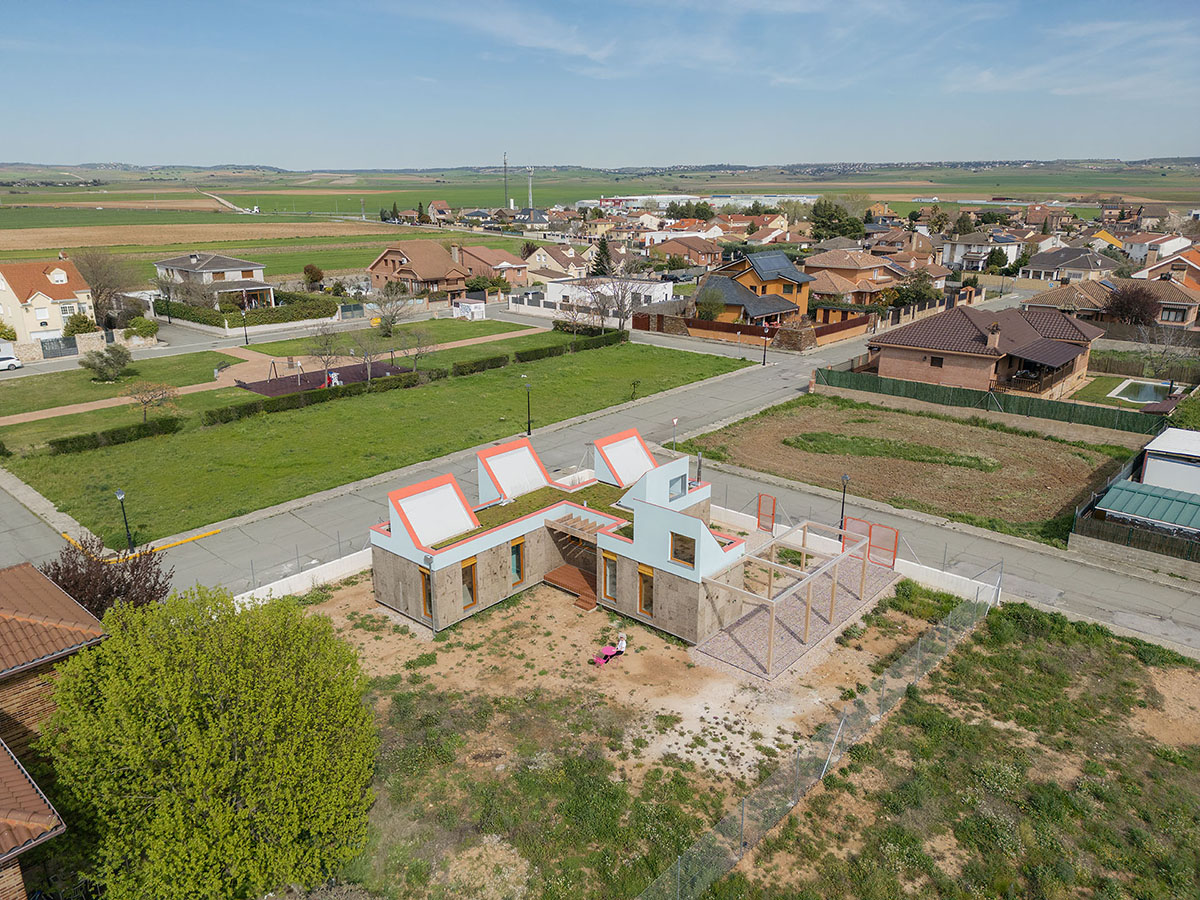
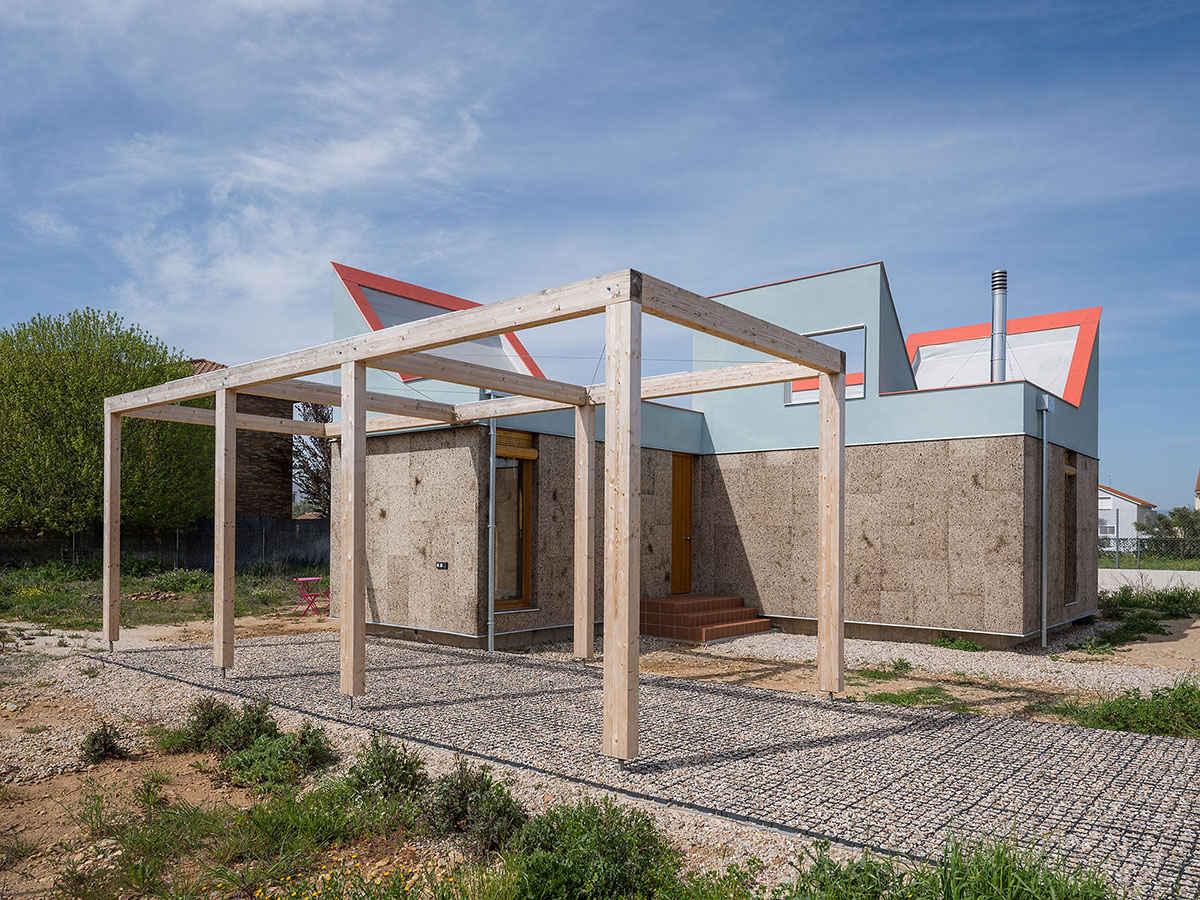
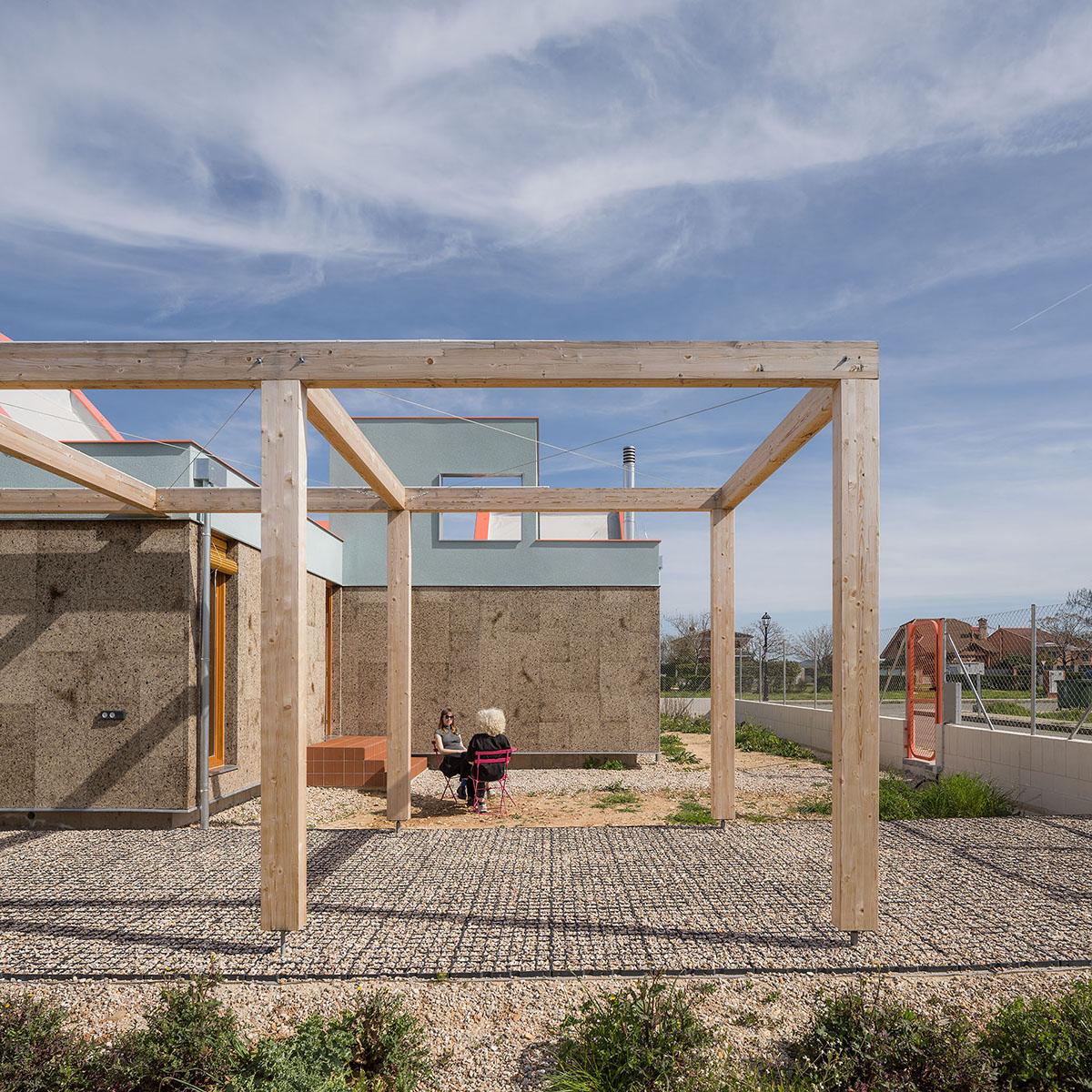
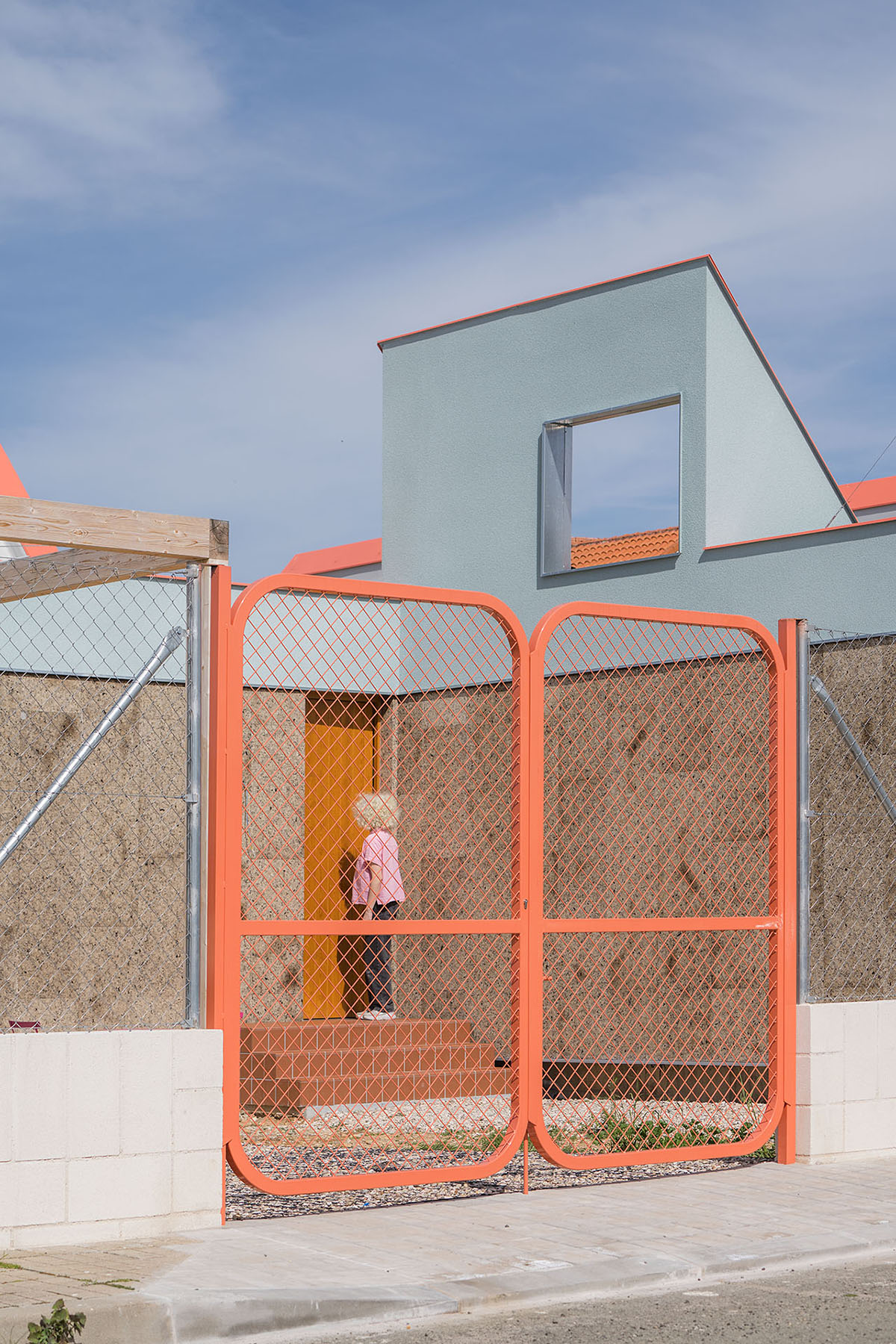
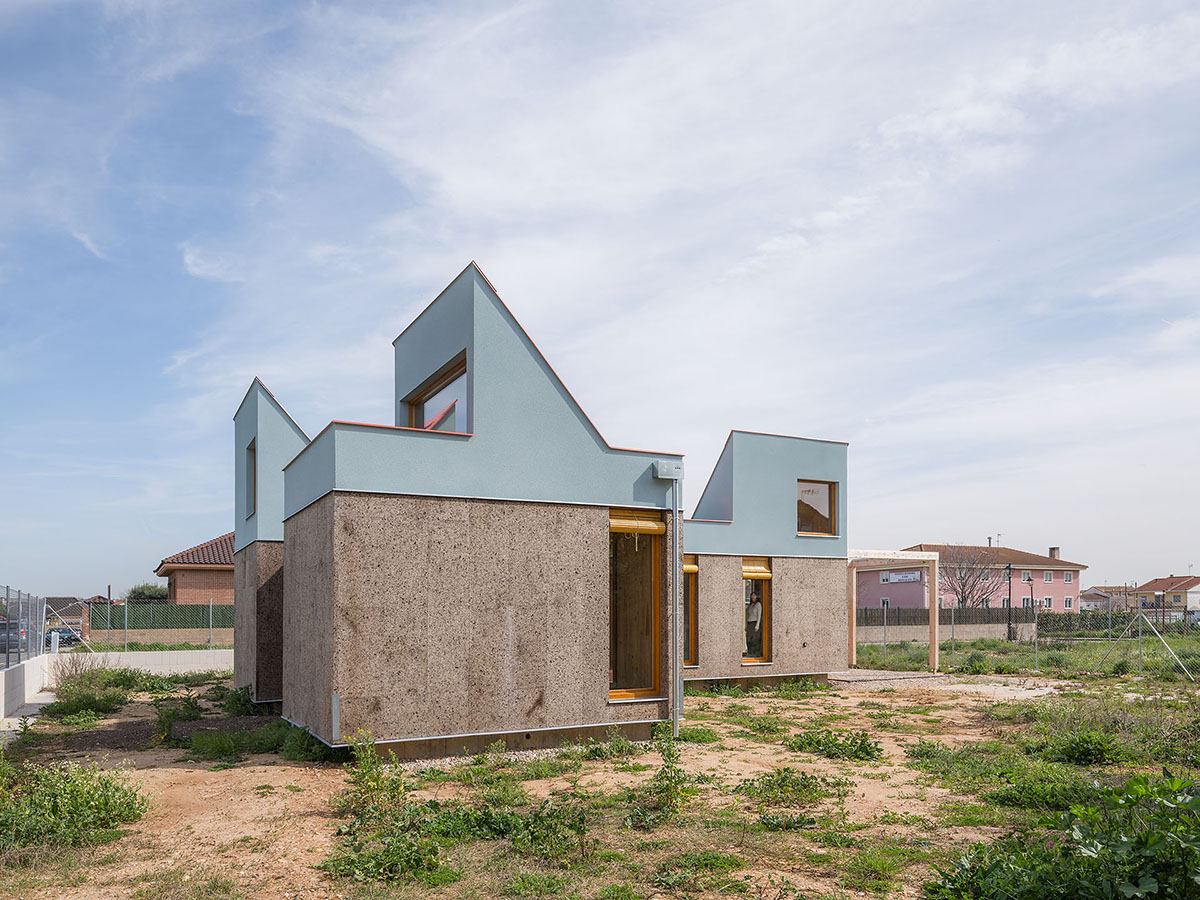
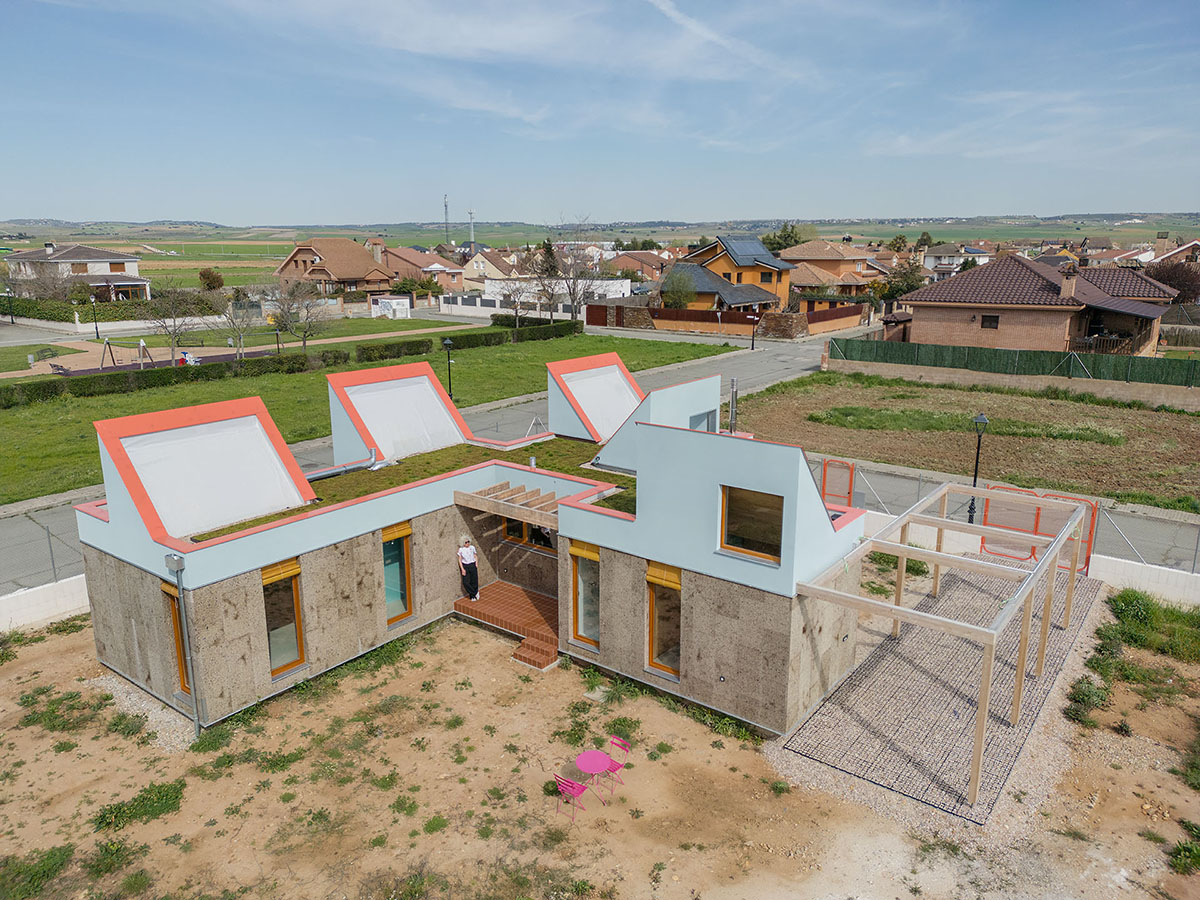
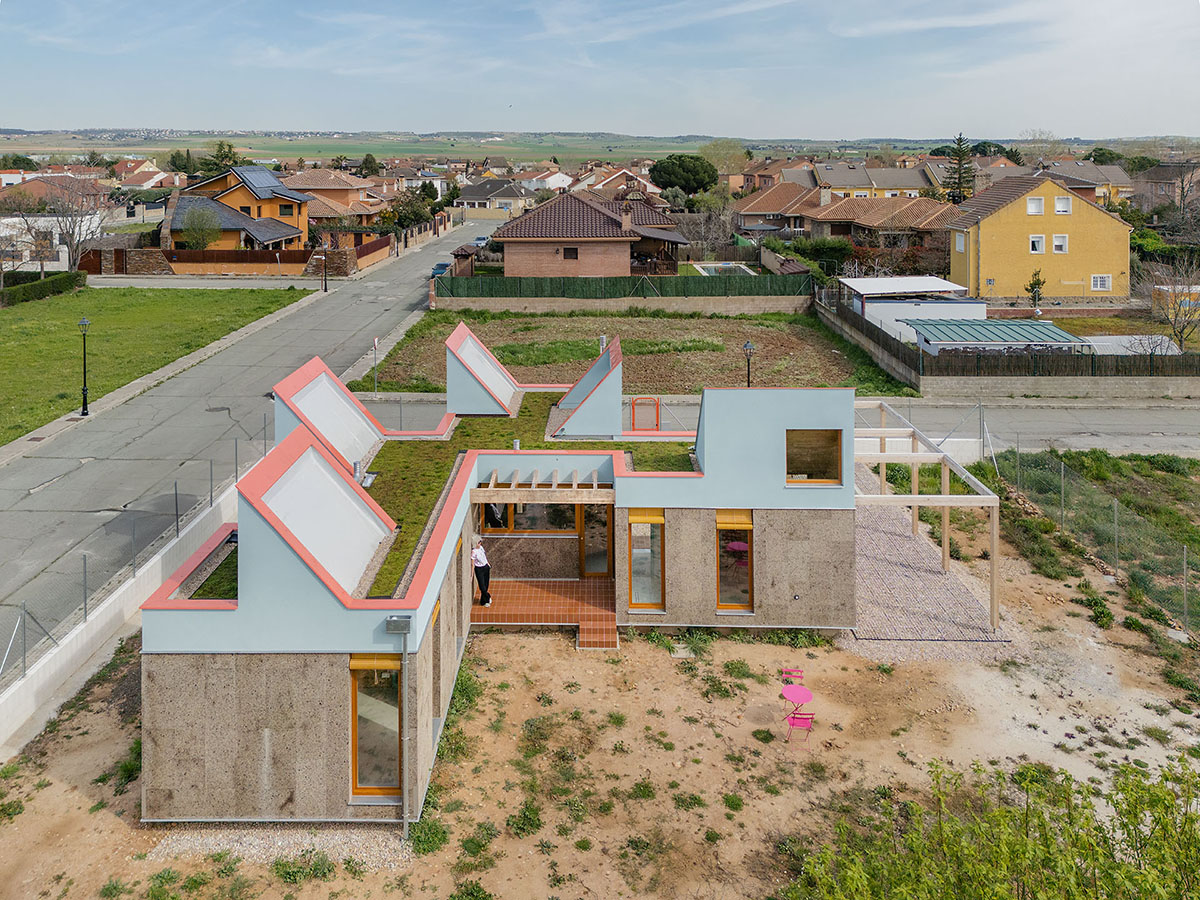
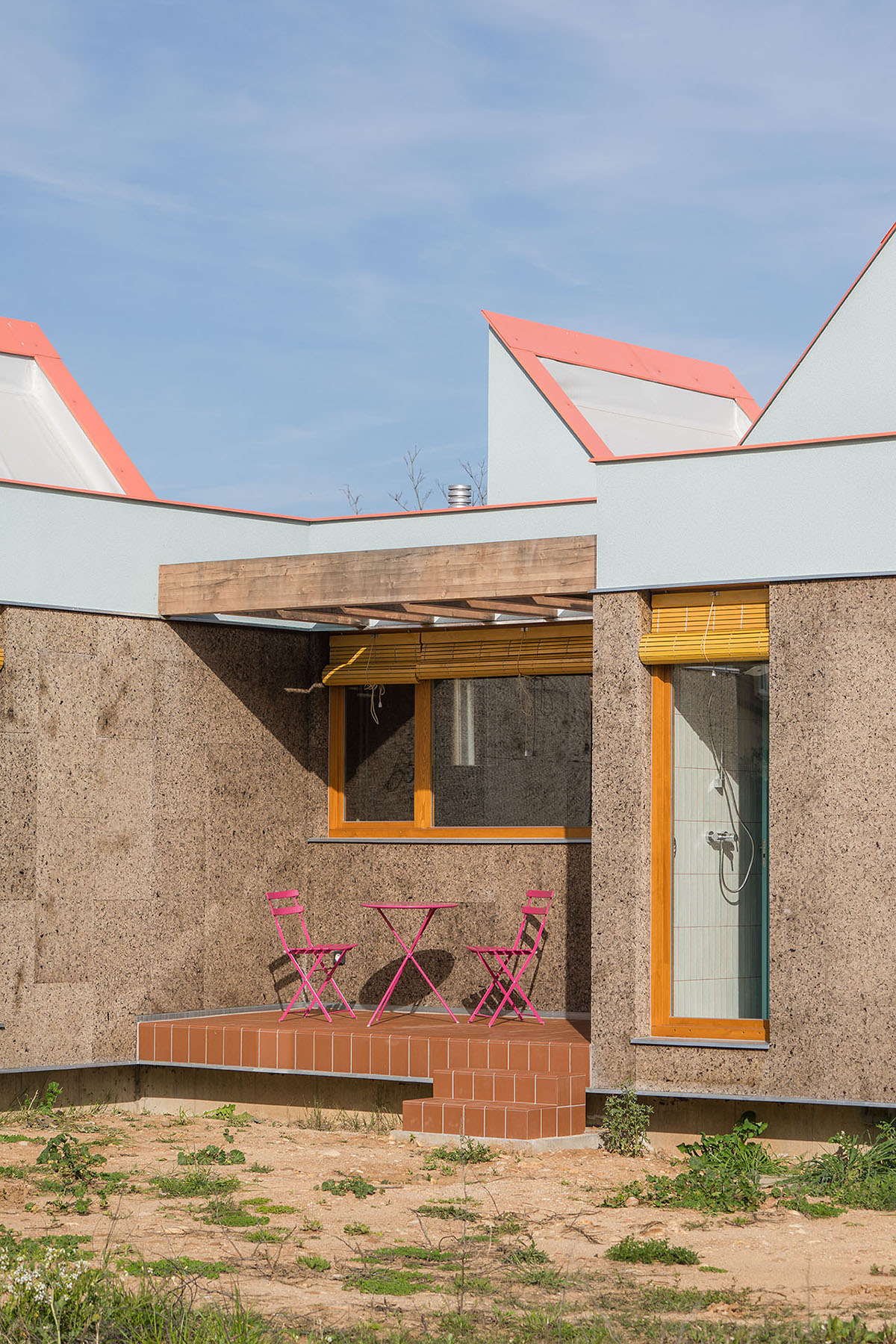
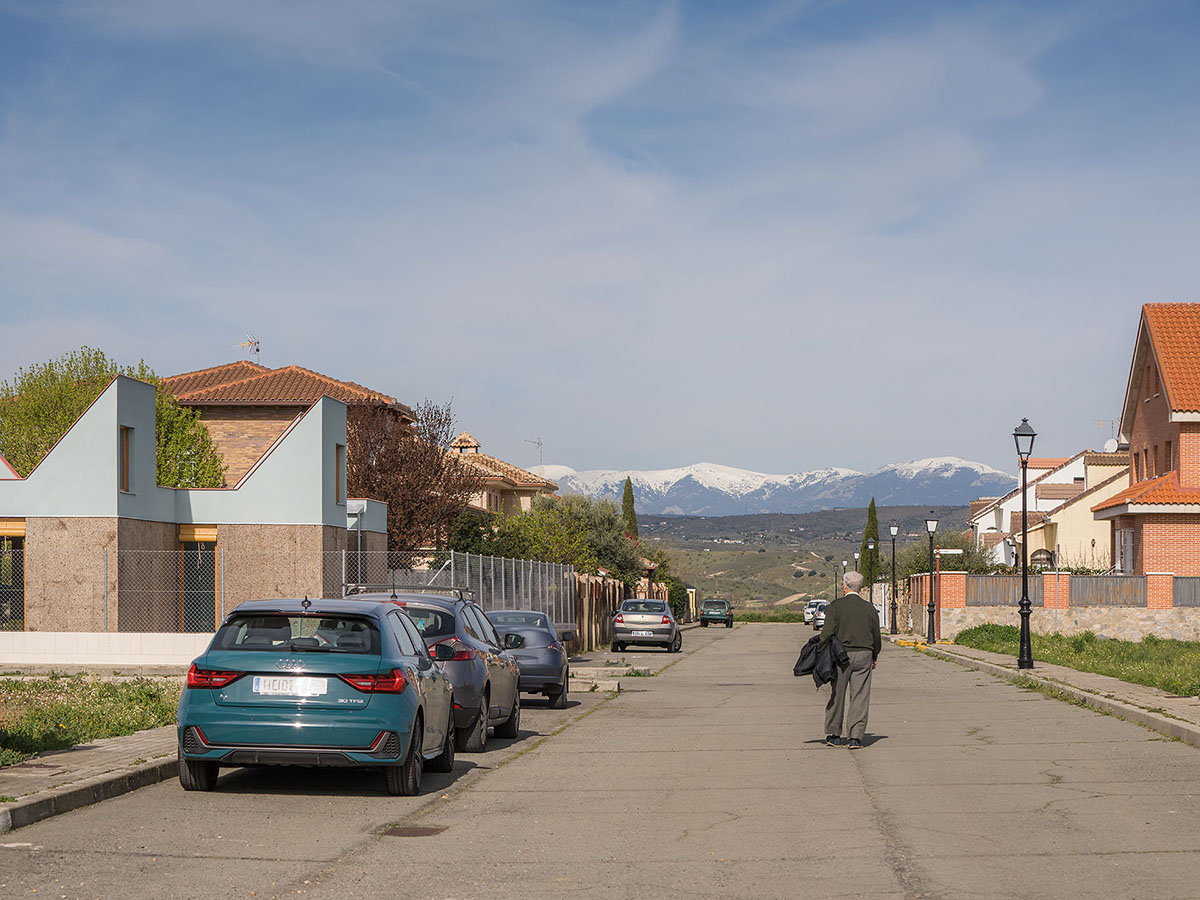
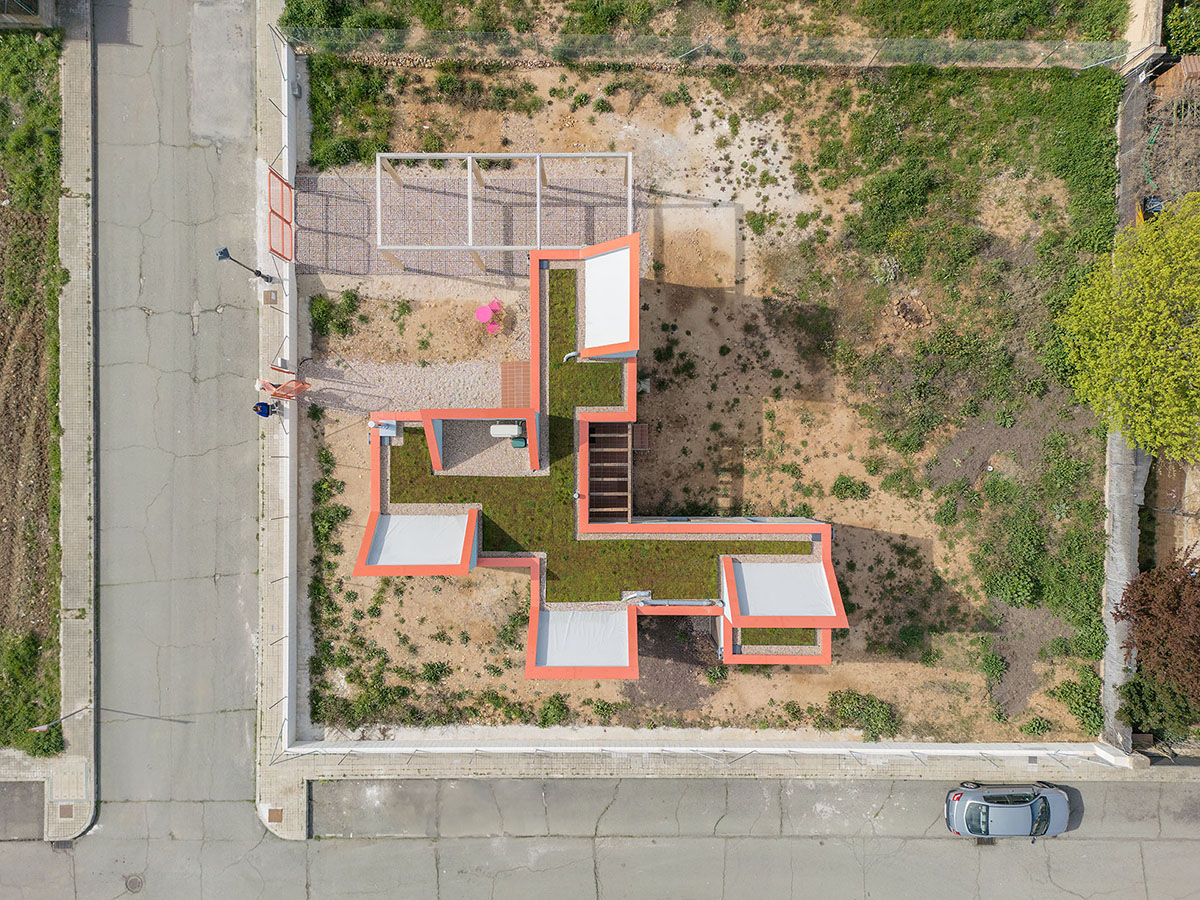
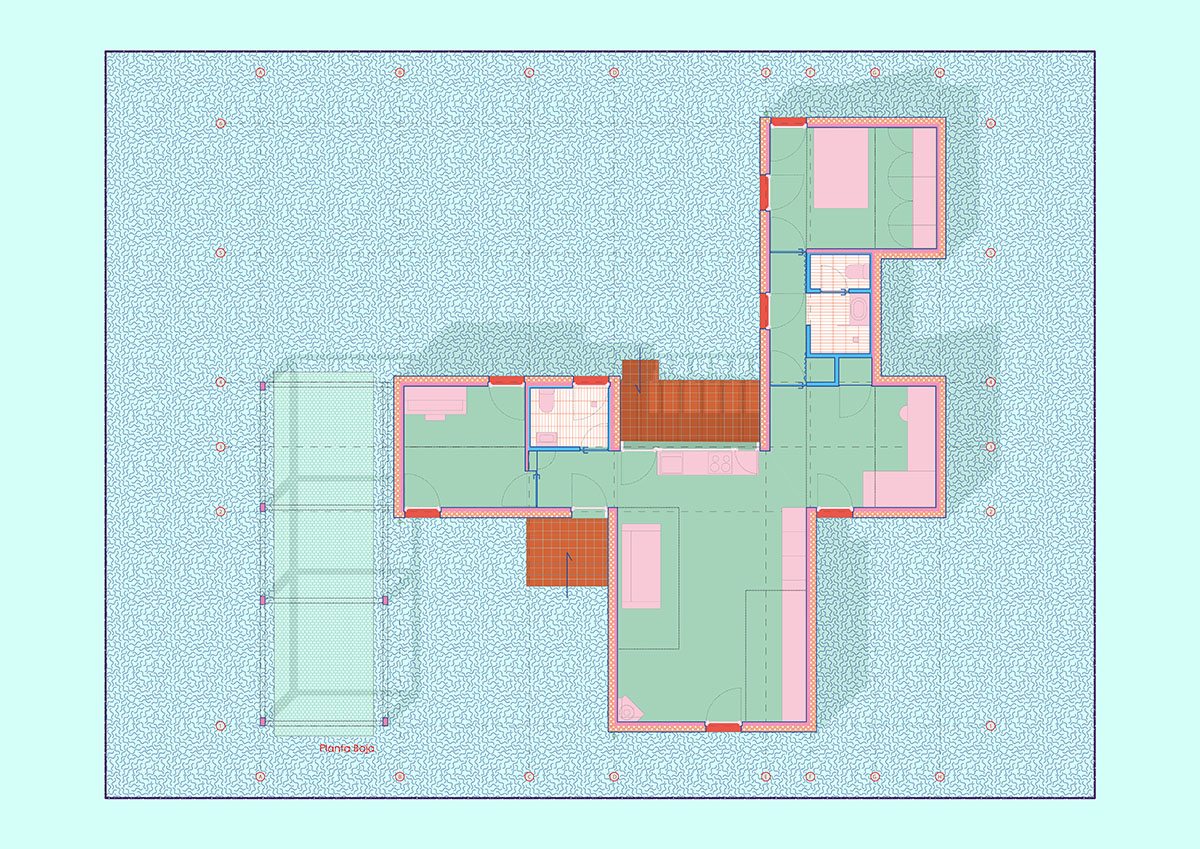
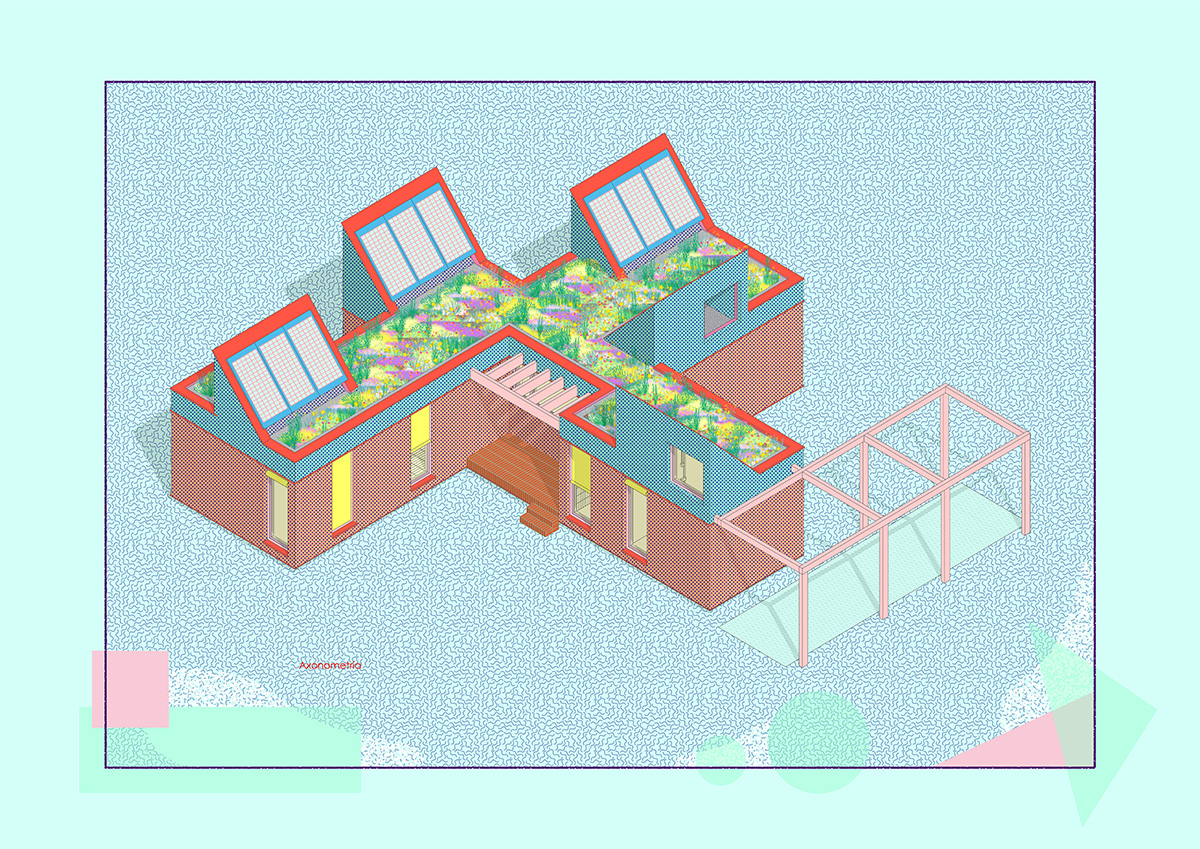
Its corner placement on this 754m2 lot opens the dwelling up to the lot and consolidates its relationship with the street, leaving a strip of front yards as a succession of intimate spaces accessible from each room.
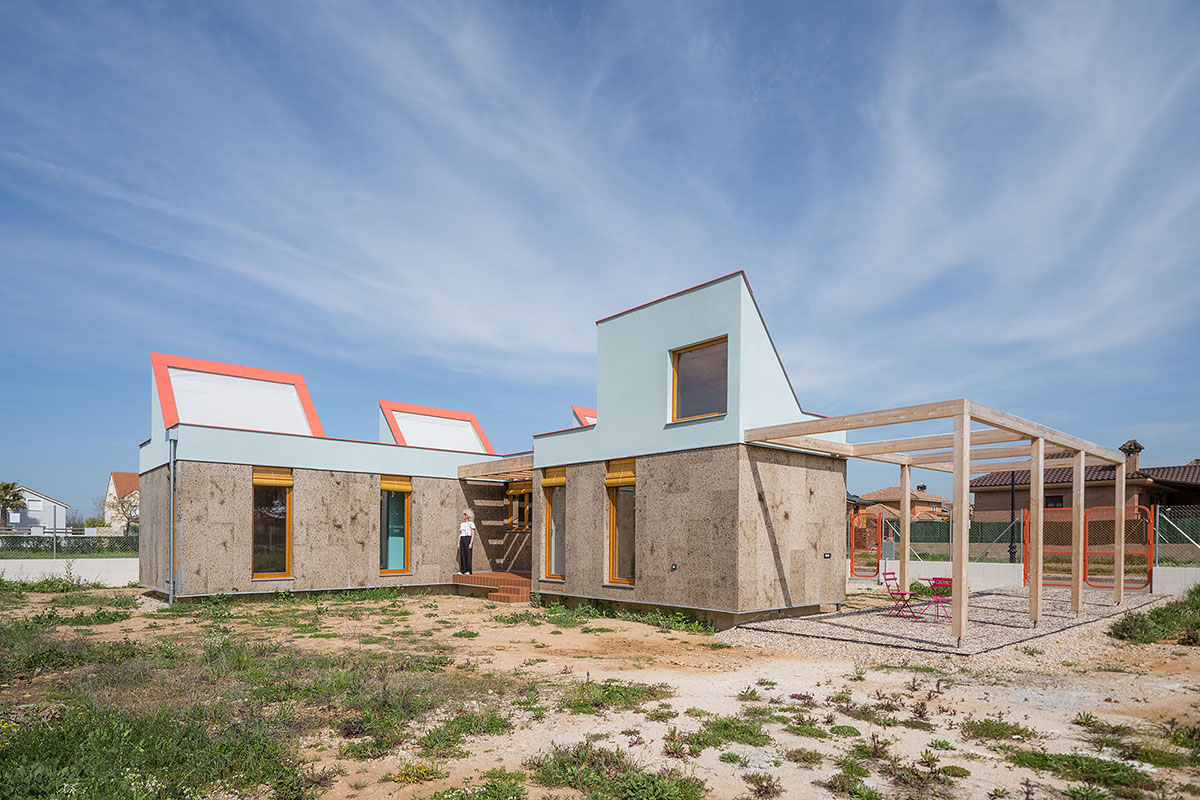
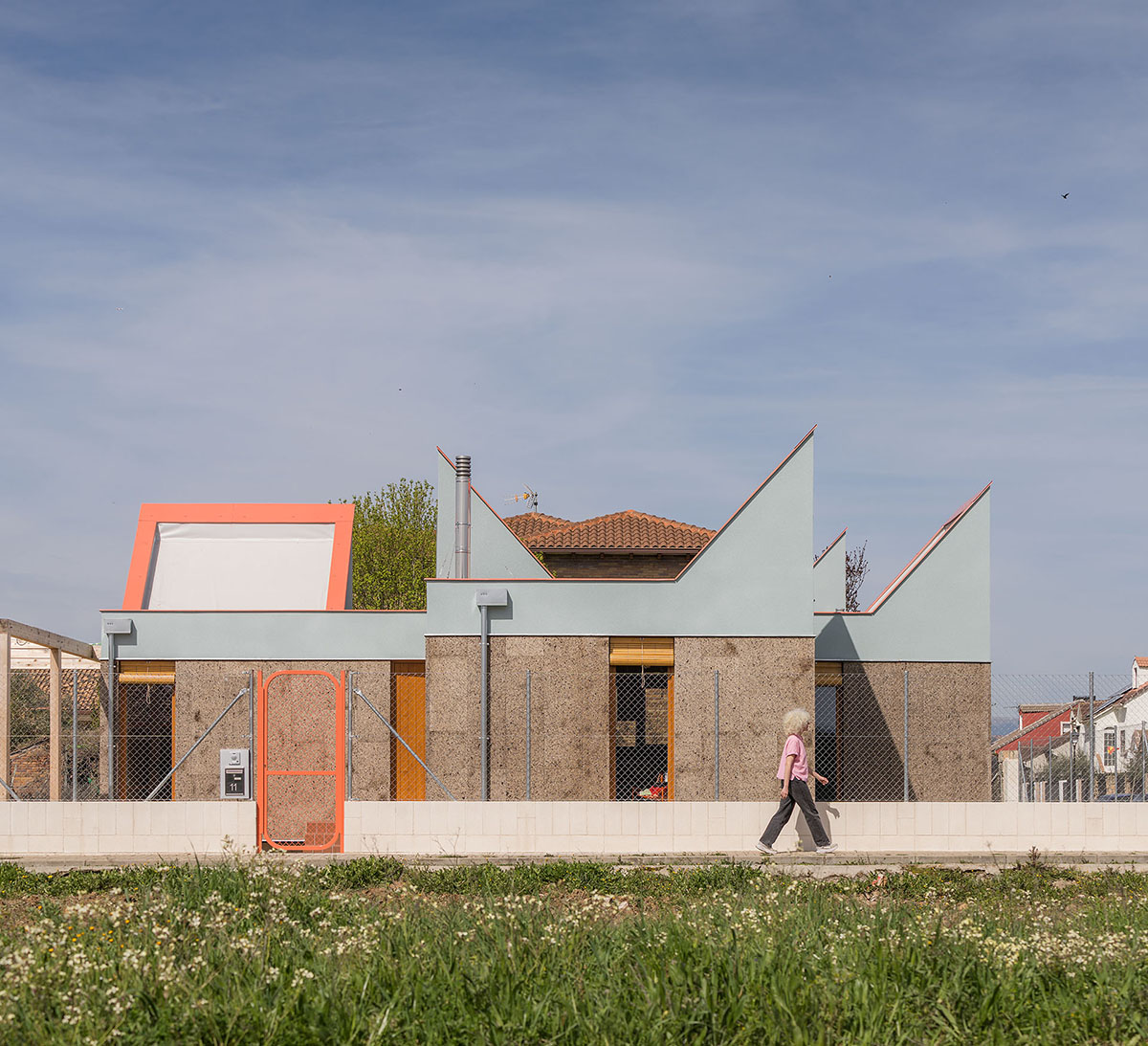
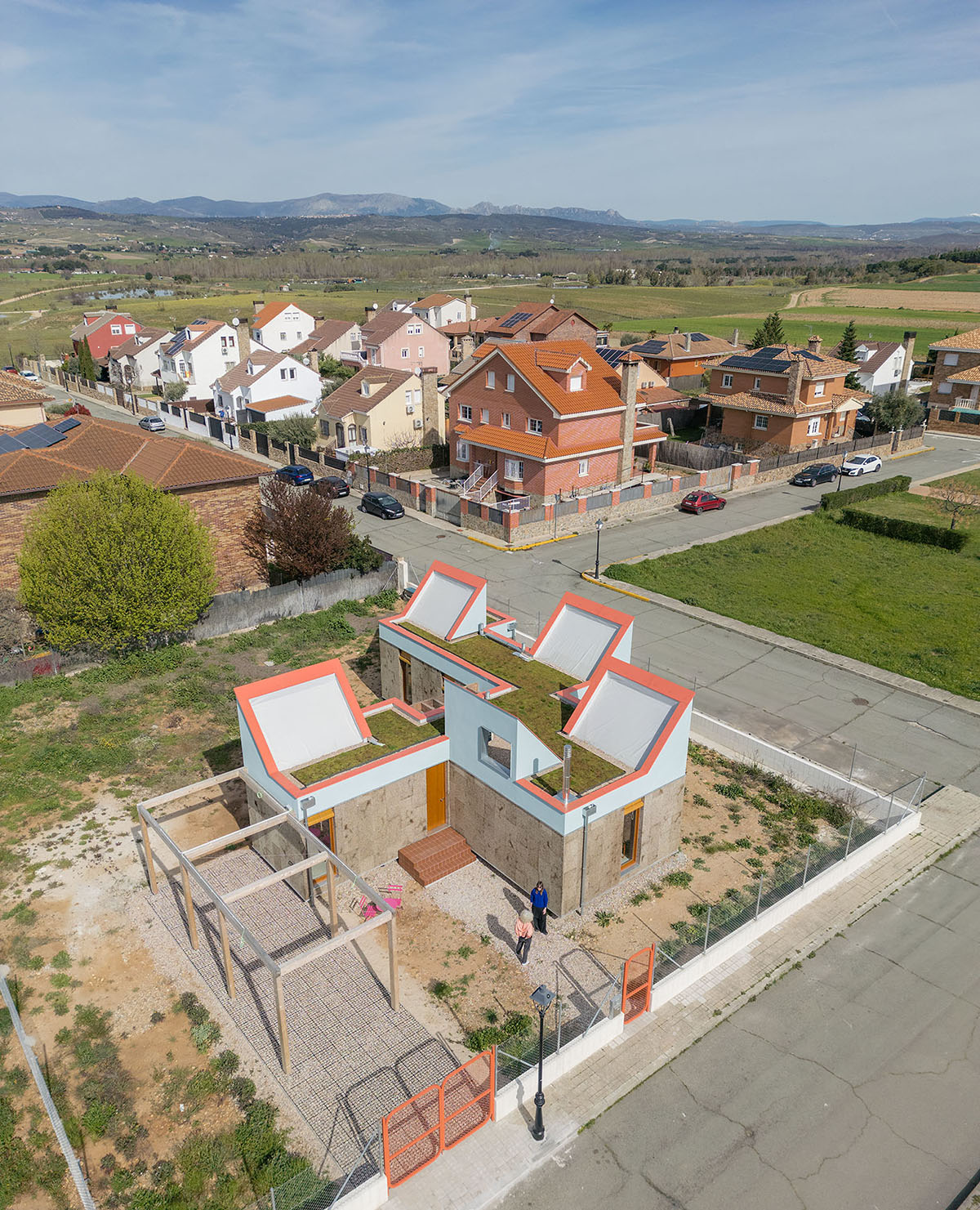
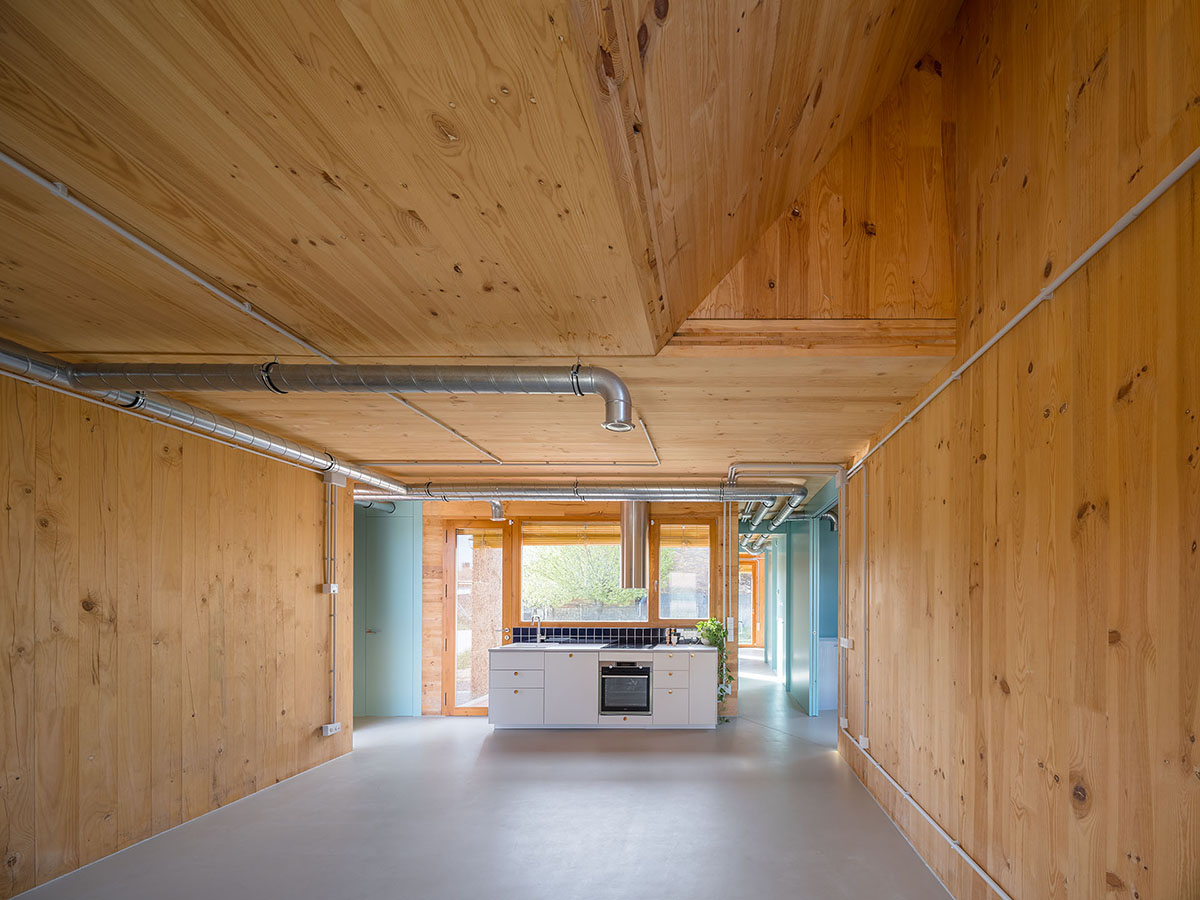
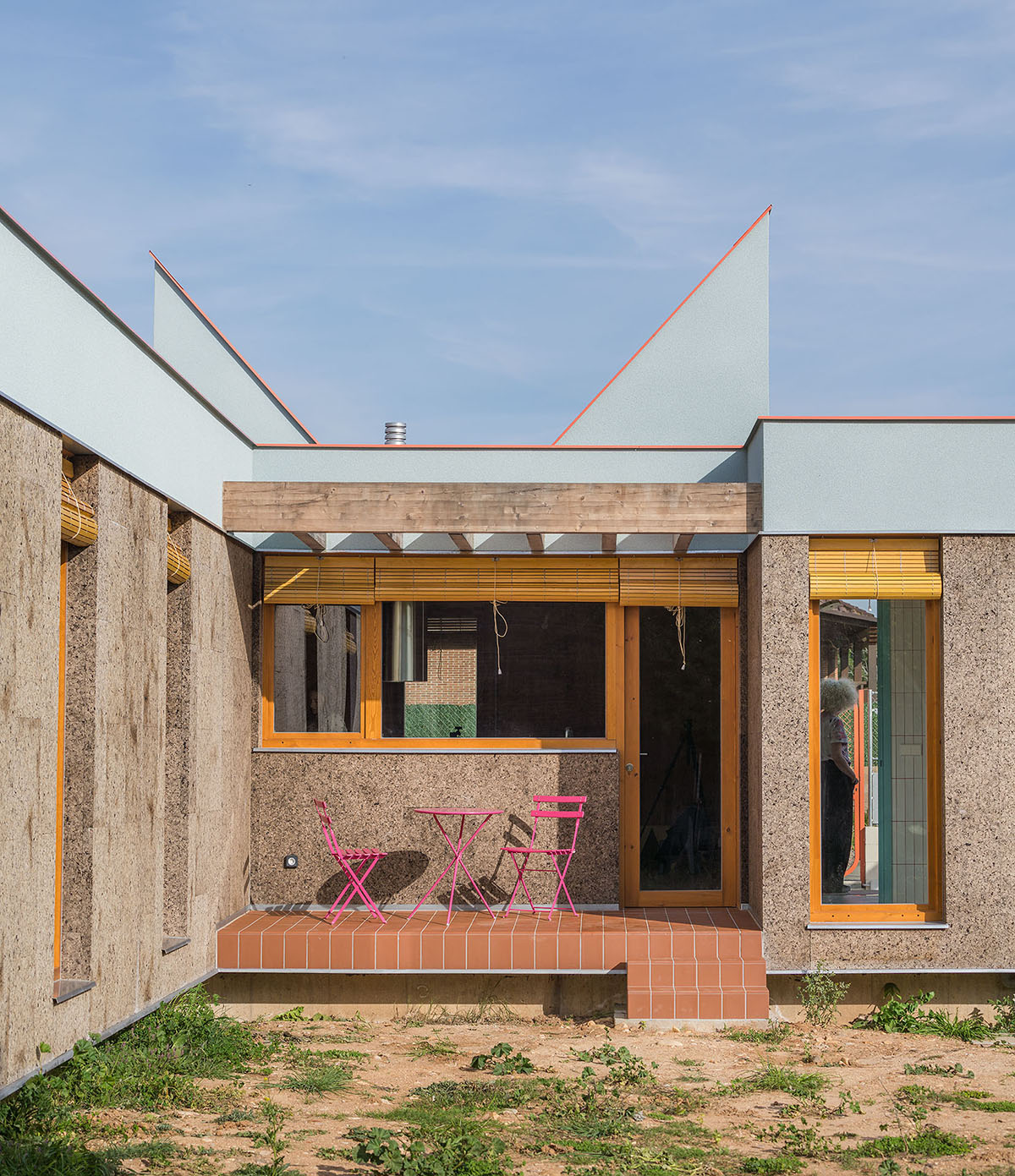
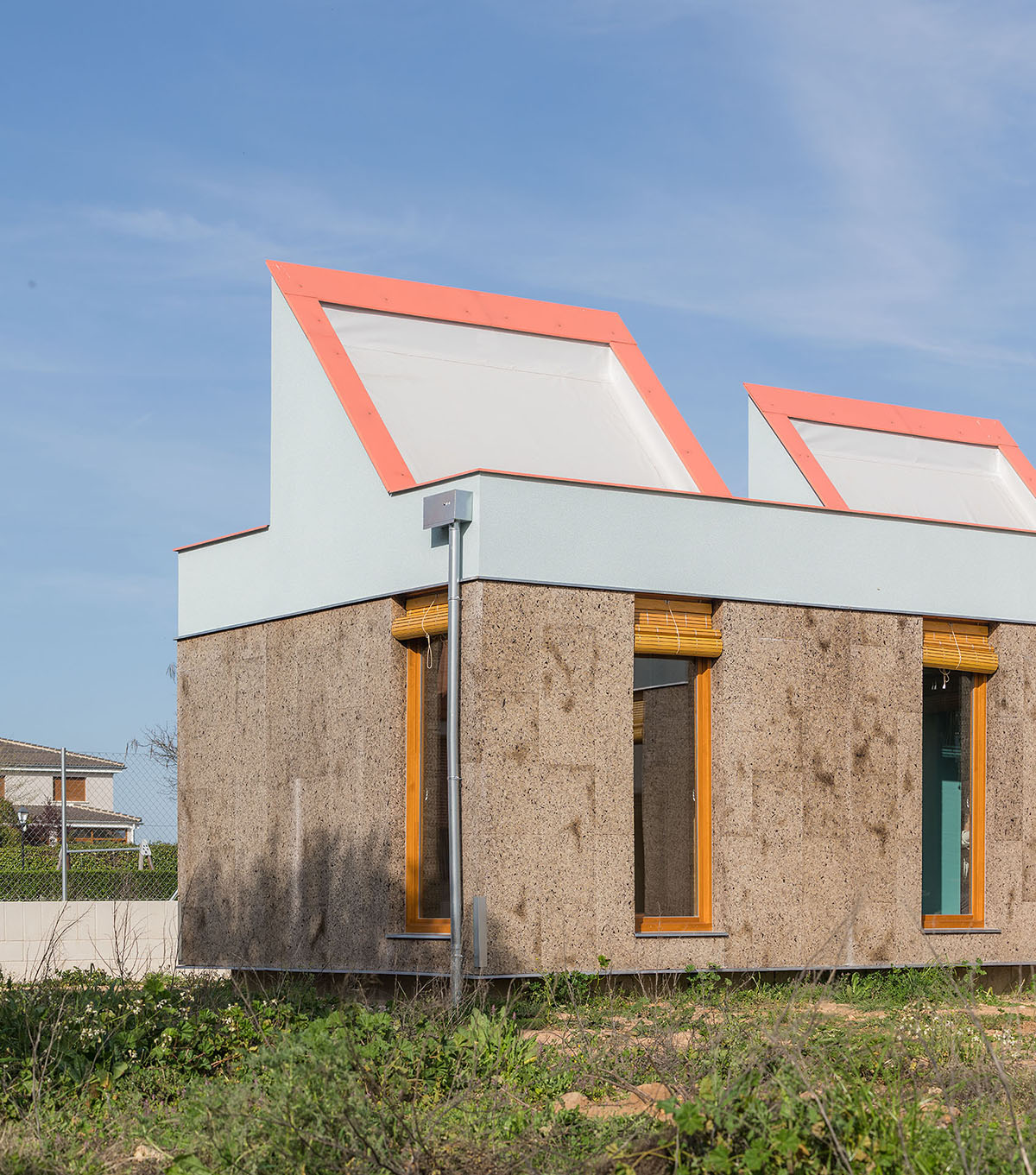
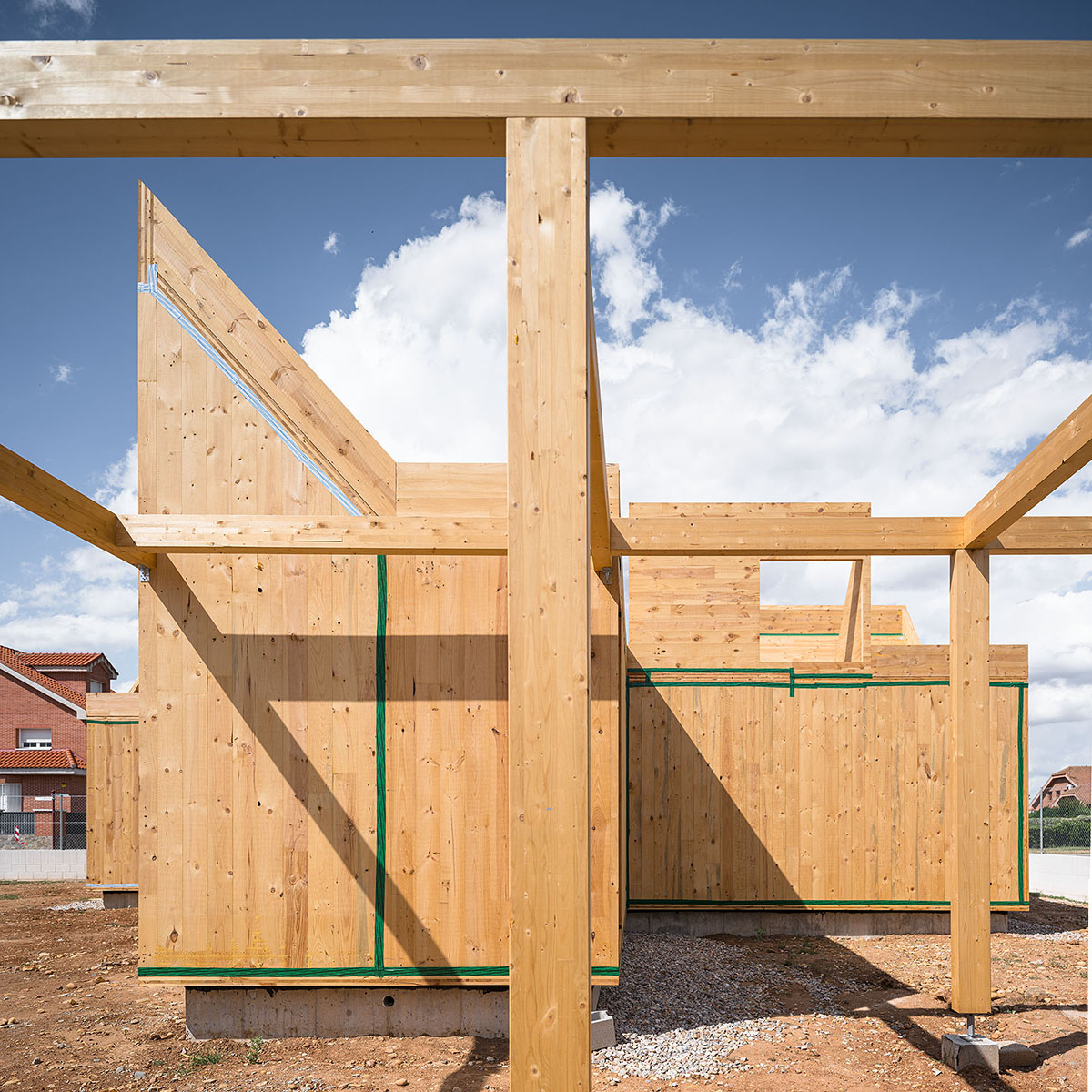
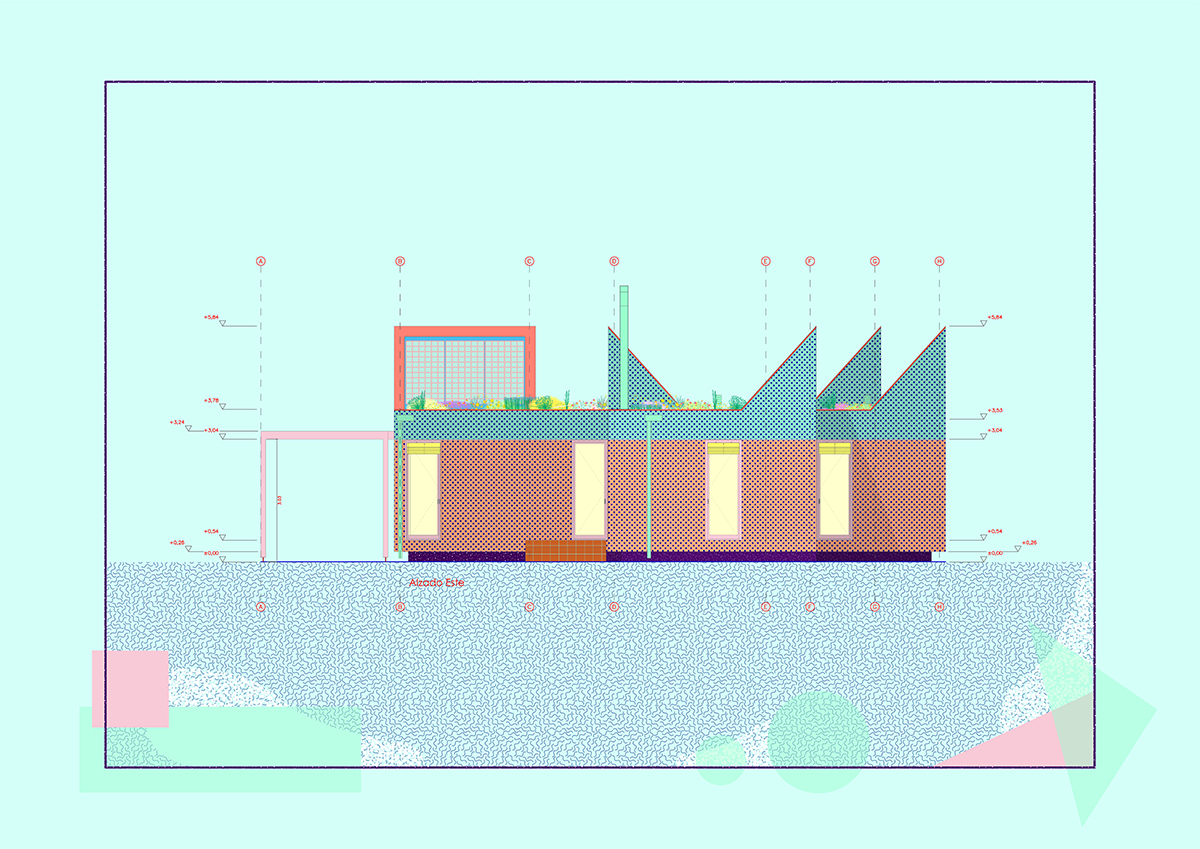
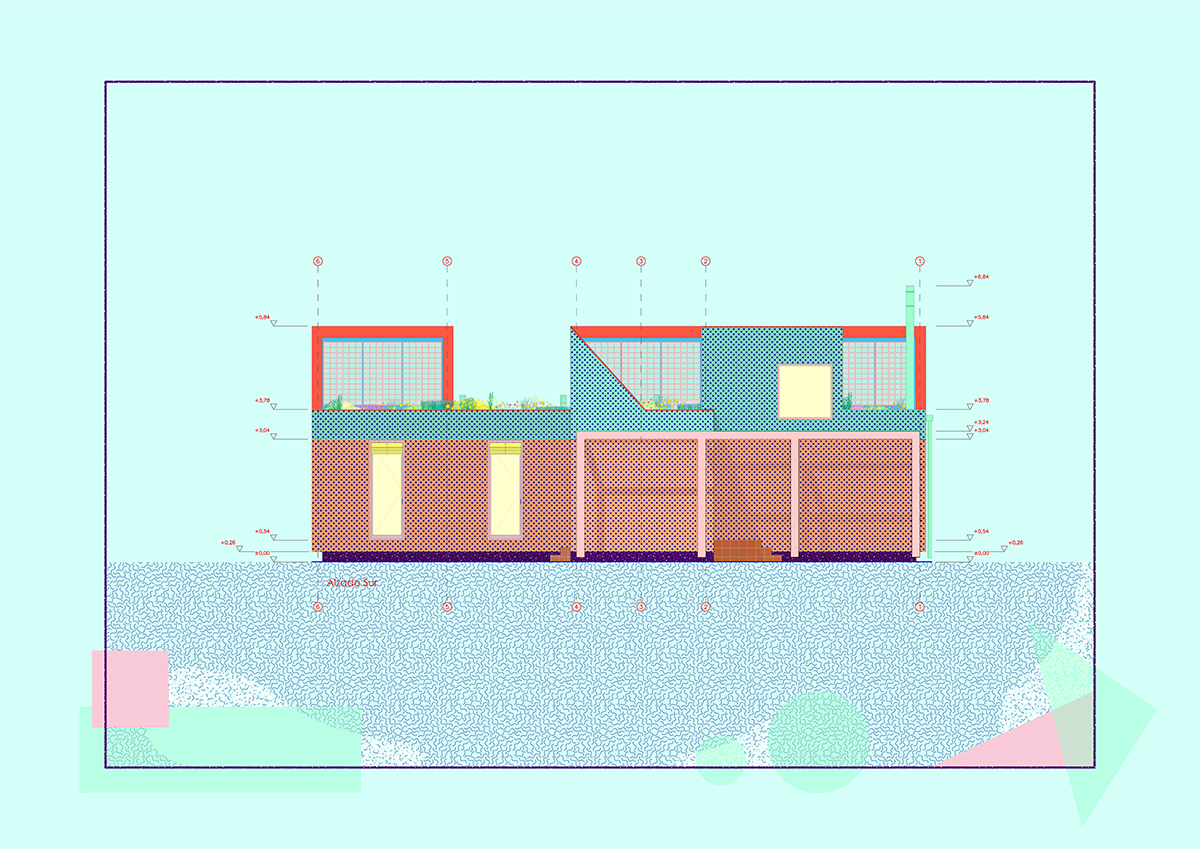
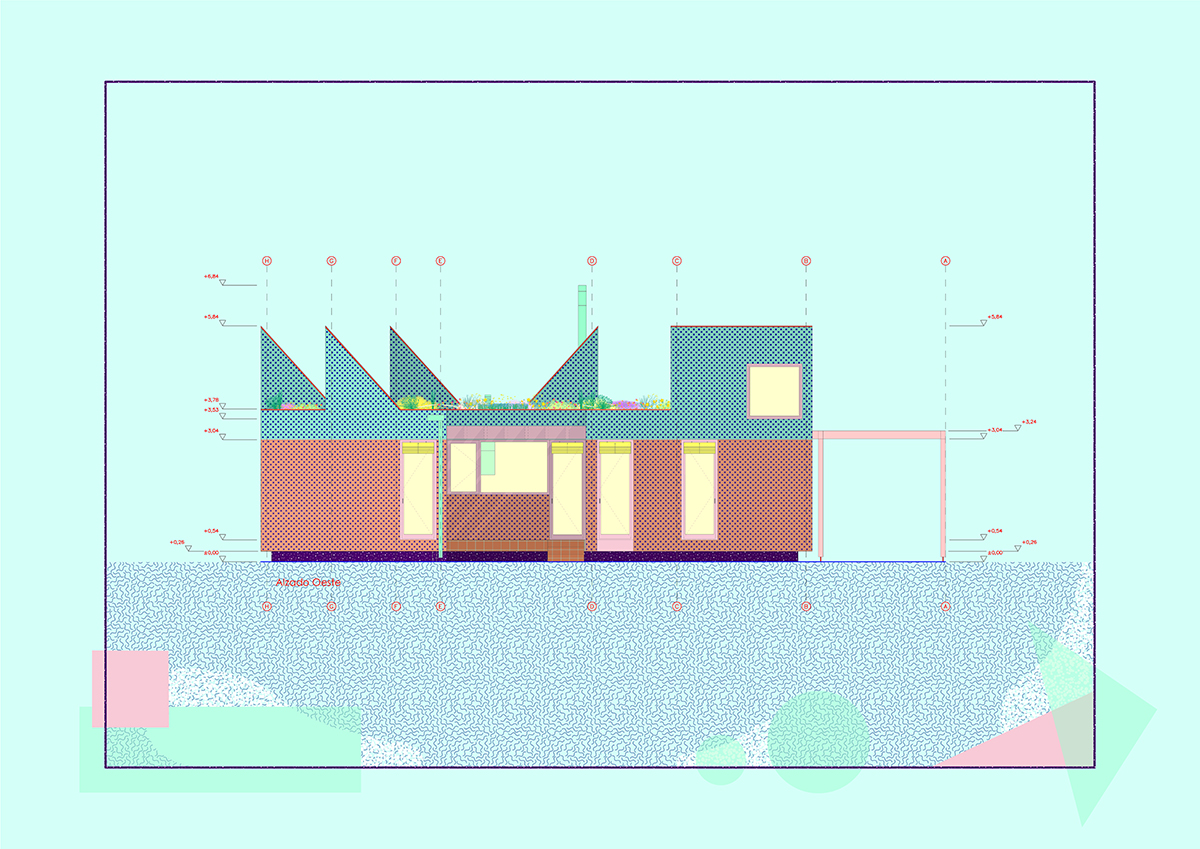
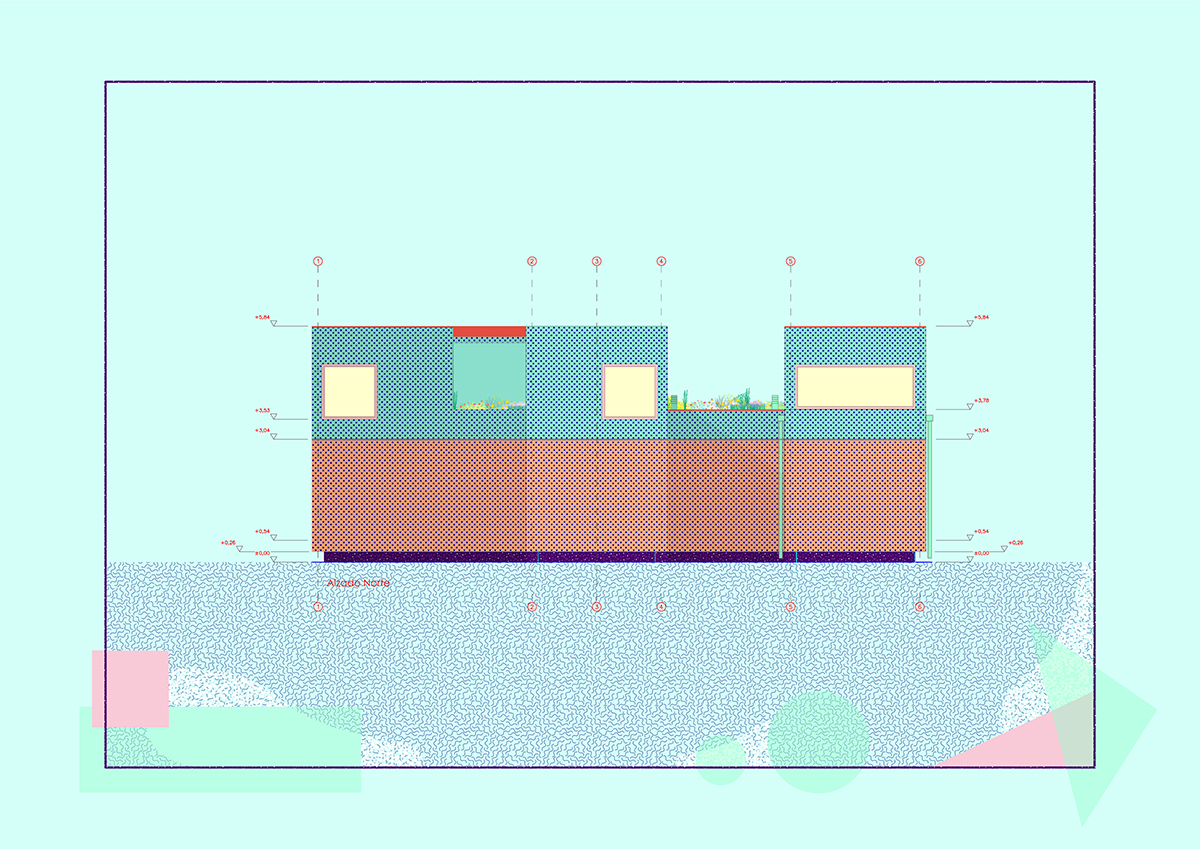
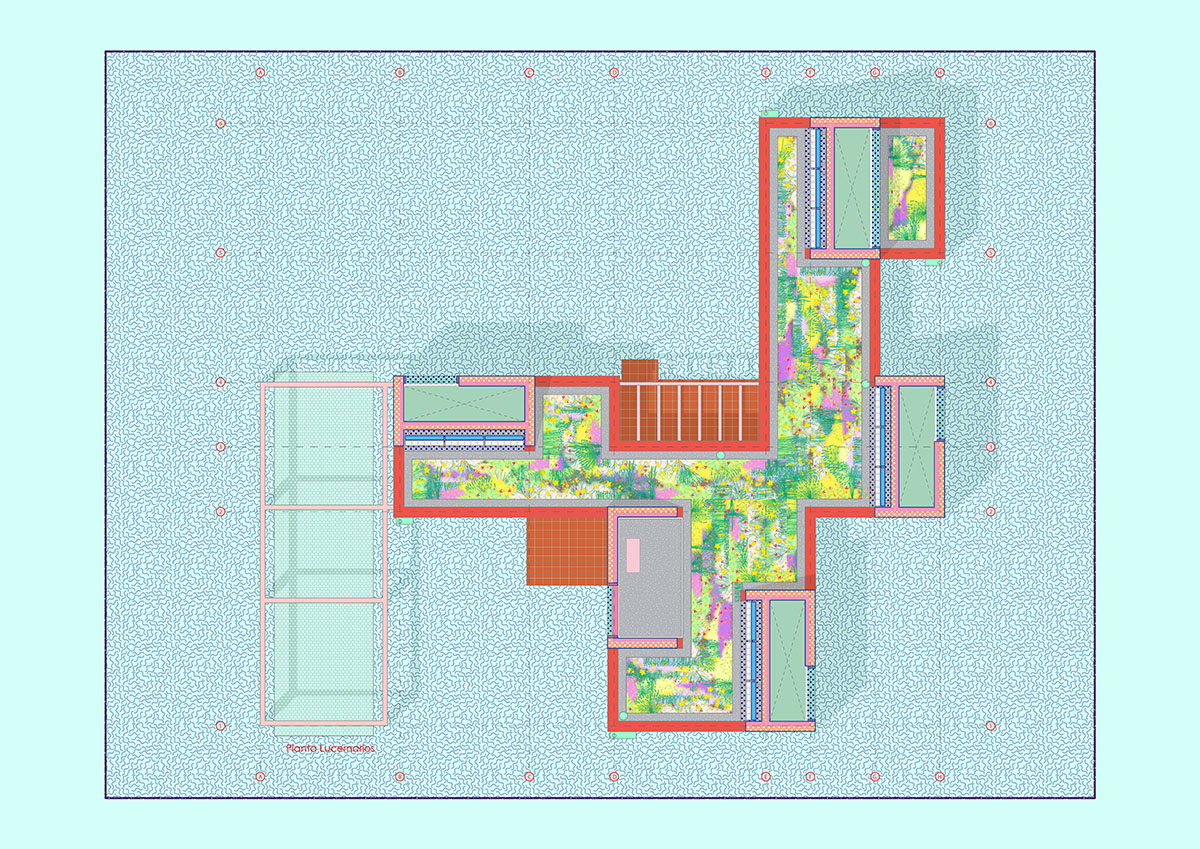
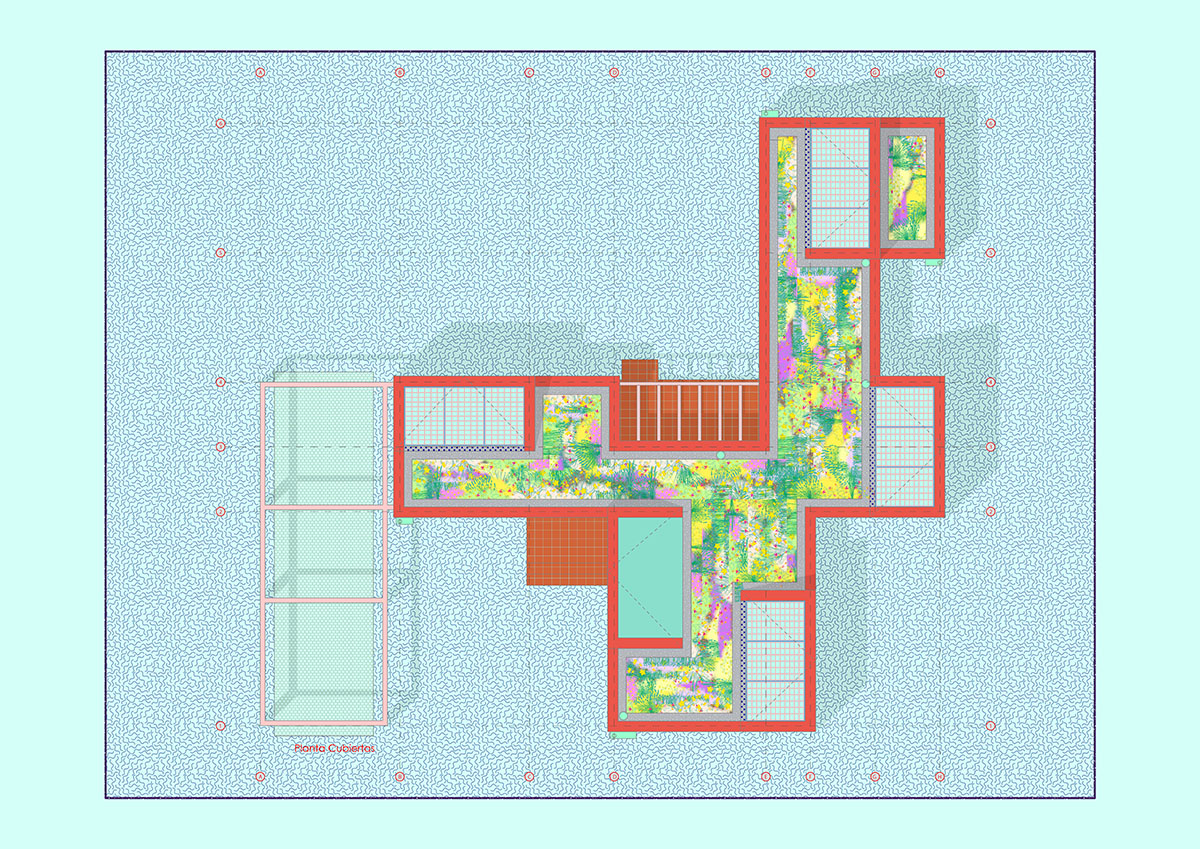
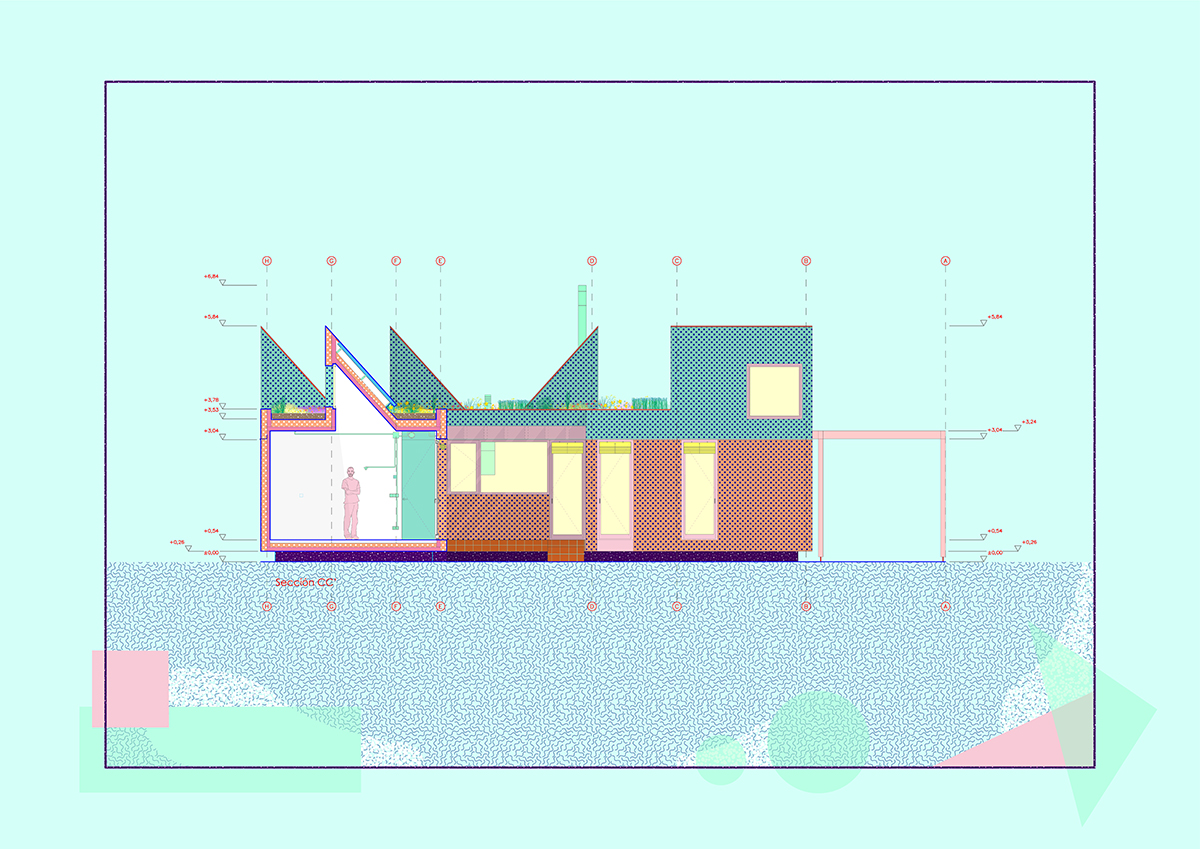
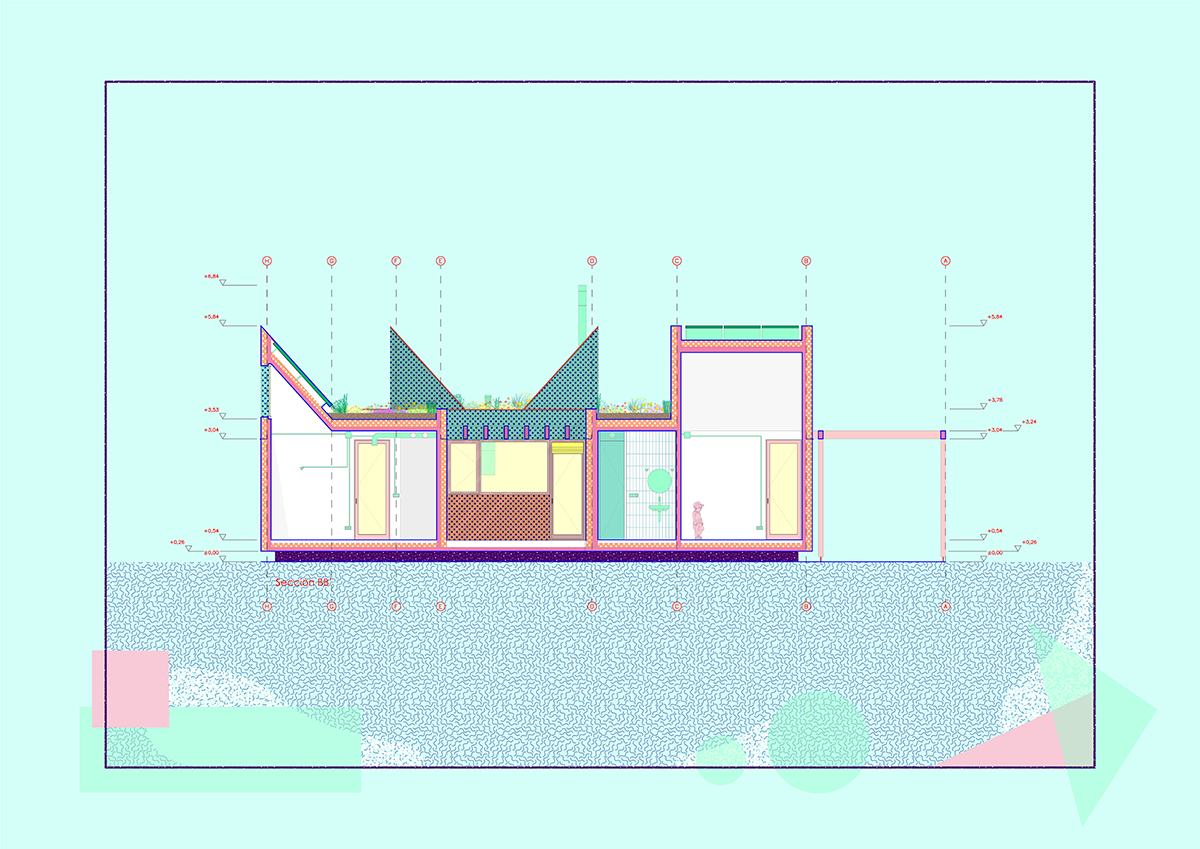
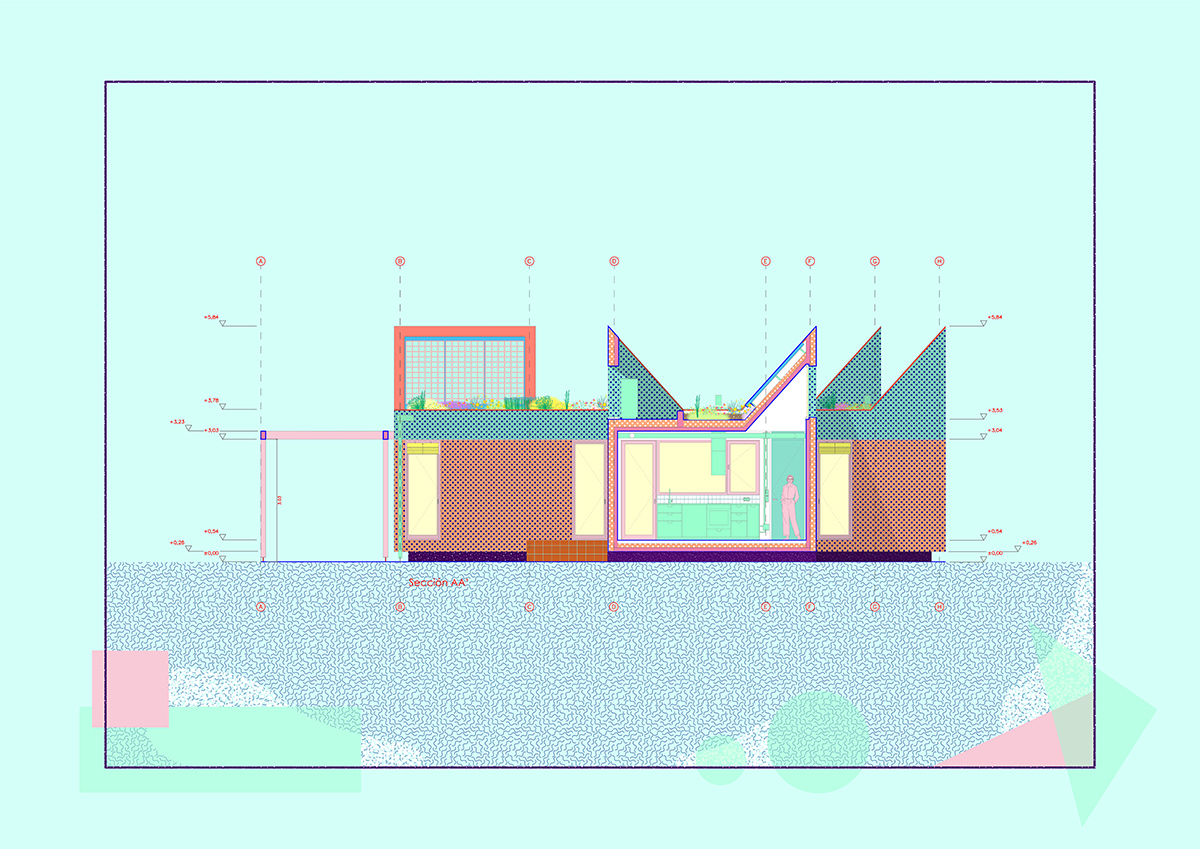
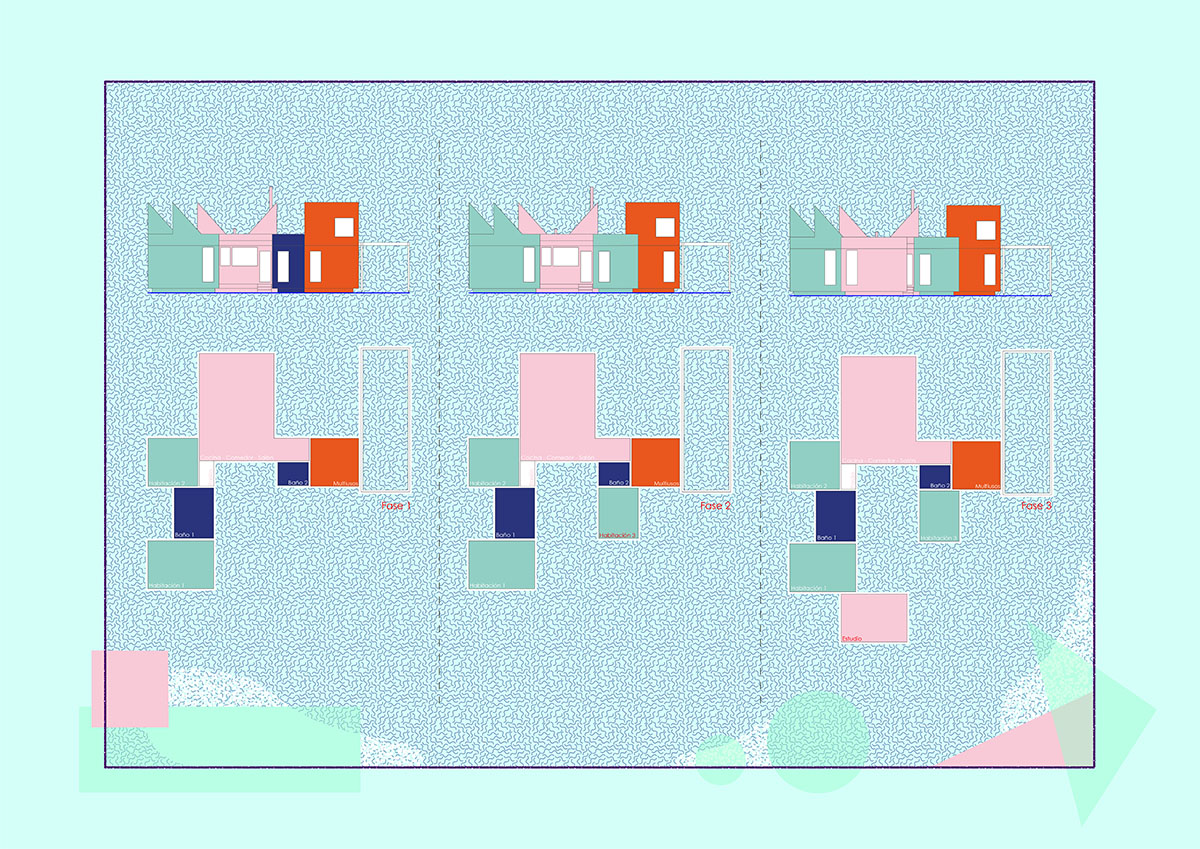
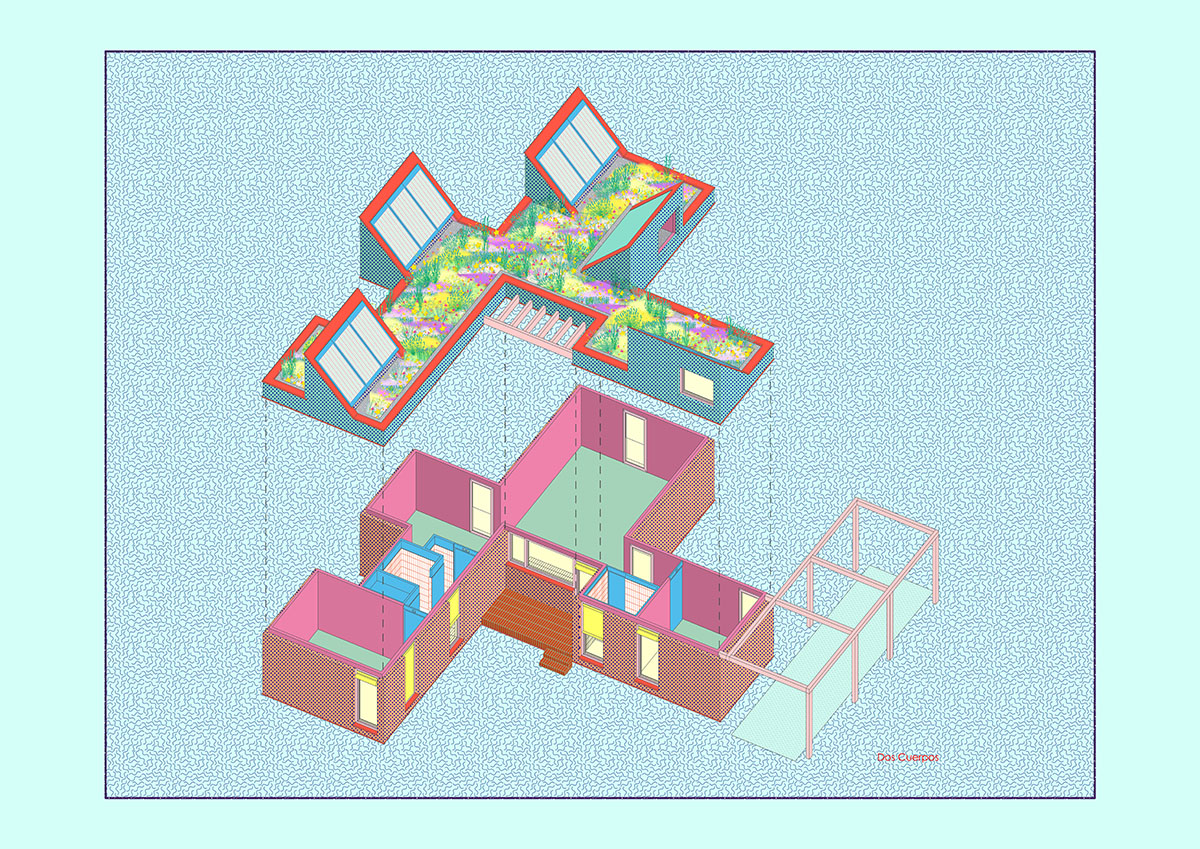
The design is organised around two main strategies. On one hand, in plan view, the project is laid out in modules, following a flexible functional arrangement that can accommodate both domestic spaces and remote work. On the other hand, in section view, it is configured from two overlaying bodies that offer different ways of engaging with the surroundings and the environment. The lower strip addresses needs for basic natural lighting, views, entryways, and ventilation. Through a system of openings and solid-surface panels, this strip provides a direct relationship with the indoor and outdoor spaces to interact with the inhabitants’ bodies. The upper strip focuses on capturing light from above, generating energy, and supporting a green roof.
The general idea is for it to develop in phases. This first phase provides a basic architectural configuration that will gradually be adapted by its inhabitants. The second phase will entail completing the installation of solar panels, the chimney, and starting to plant greenery and small home vegetable gardens. The third phase is for enlarging the home with new models, thereby completing the central courtyard. The modular organization, the scale of the spaces, and the projected connections between modules can all be used to change the functional logic and act as a support for future enlargements and typological refits.
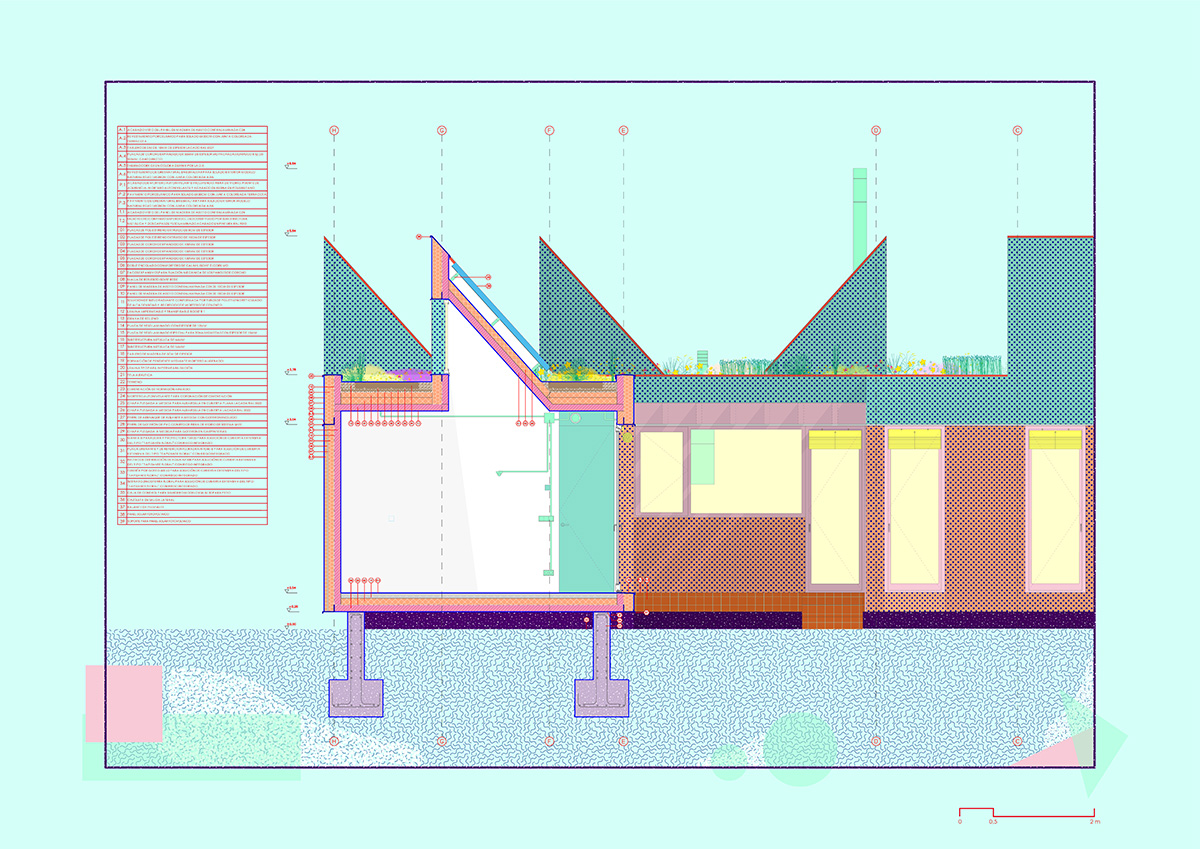
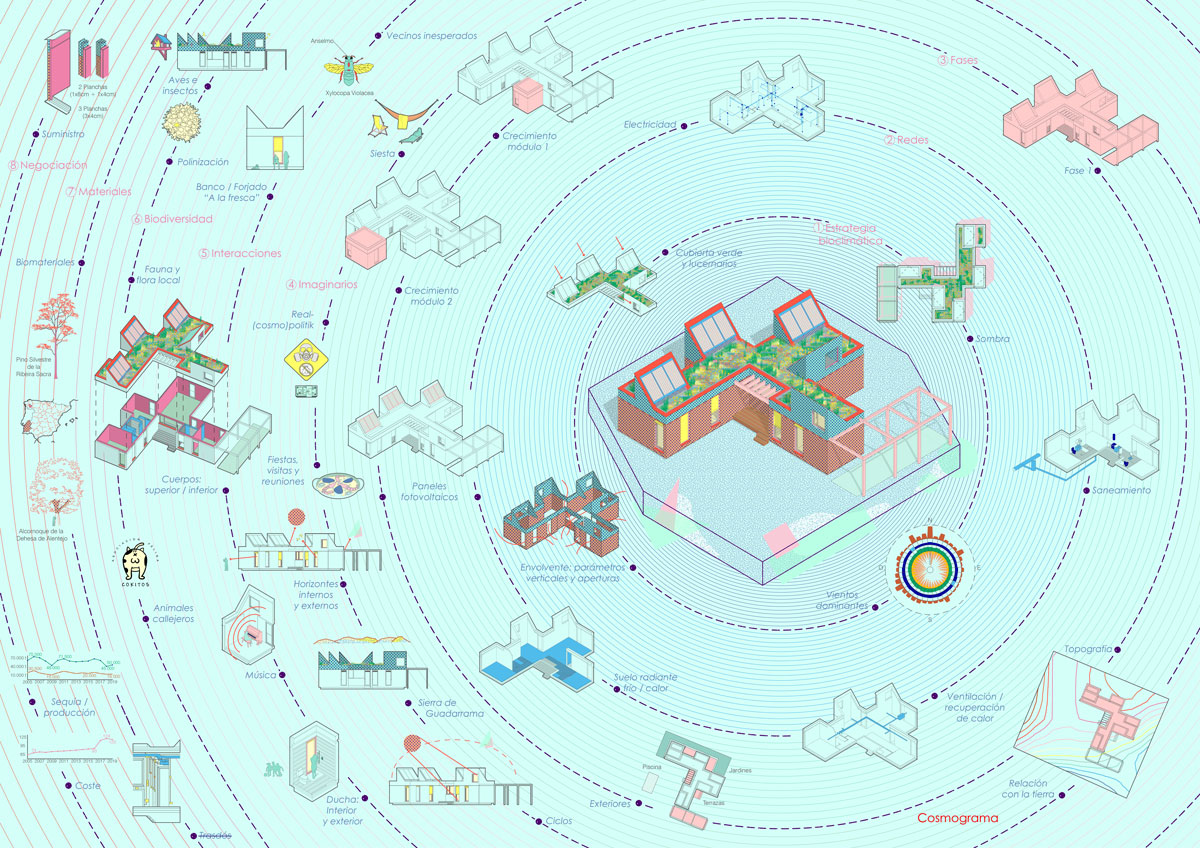
Based on bio-climatic principles, this project deploys different active and passive ecological strategies. A generous layer of insulation forms an effective enclosure. The openings are arranged for cross ventilation and drawing in or letting off heat from sunlight in winter and summer, respectively. The radiant floor heating and cooling system and the heat recovery unit work together to minimise operational energy use. Renewable energy significantly cuts down on dependence on fossil fuels. Water consumption is reduced by channelling overflow irrigation water from the green roof to the yard,. Landscaping efforts will open up actions to replenish the soil.
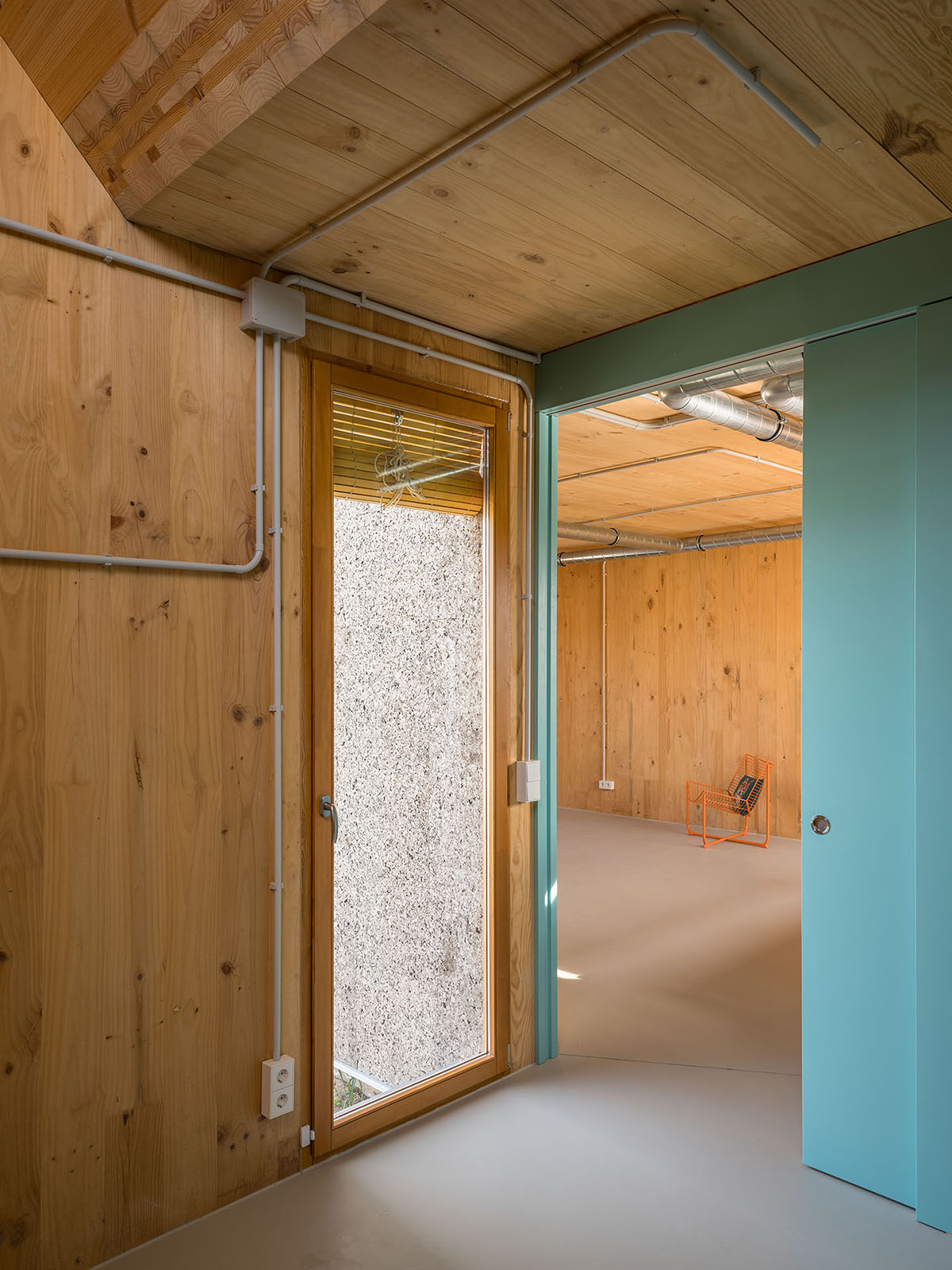
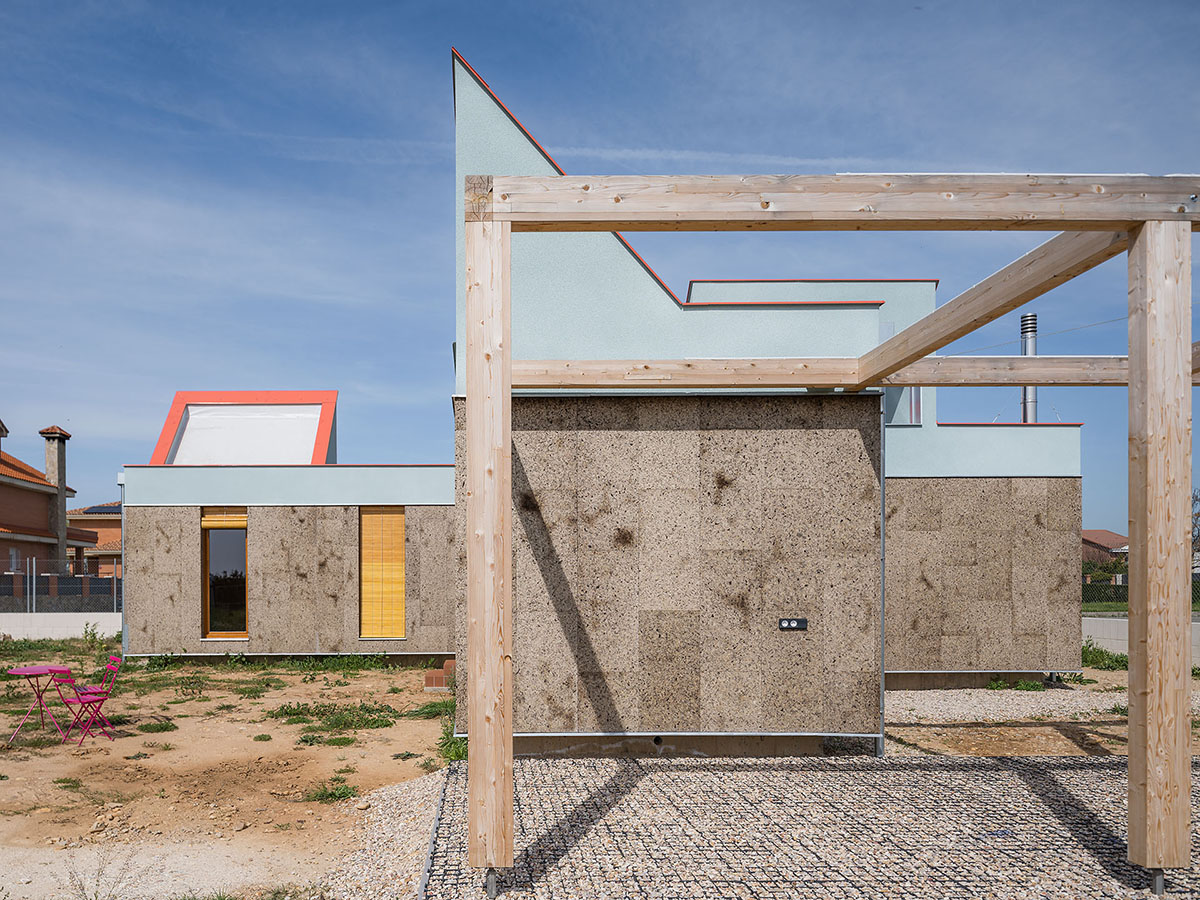
The material strategy aims to minimise CO2 emissions into the atmosphere by means of a careful selection of materials mindful of the ecological footprint from their extraction, production, construction and use and the end of the building’s useful life. Wherever possible, biomaterials are used, such as cork and wood sourced from nearby forests managed ecologically following proper chain of custody processes. The biogenic carbon capture of these materials helps mitigate emissions.
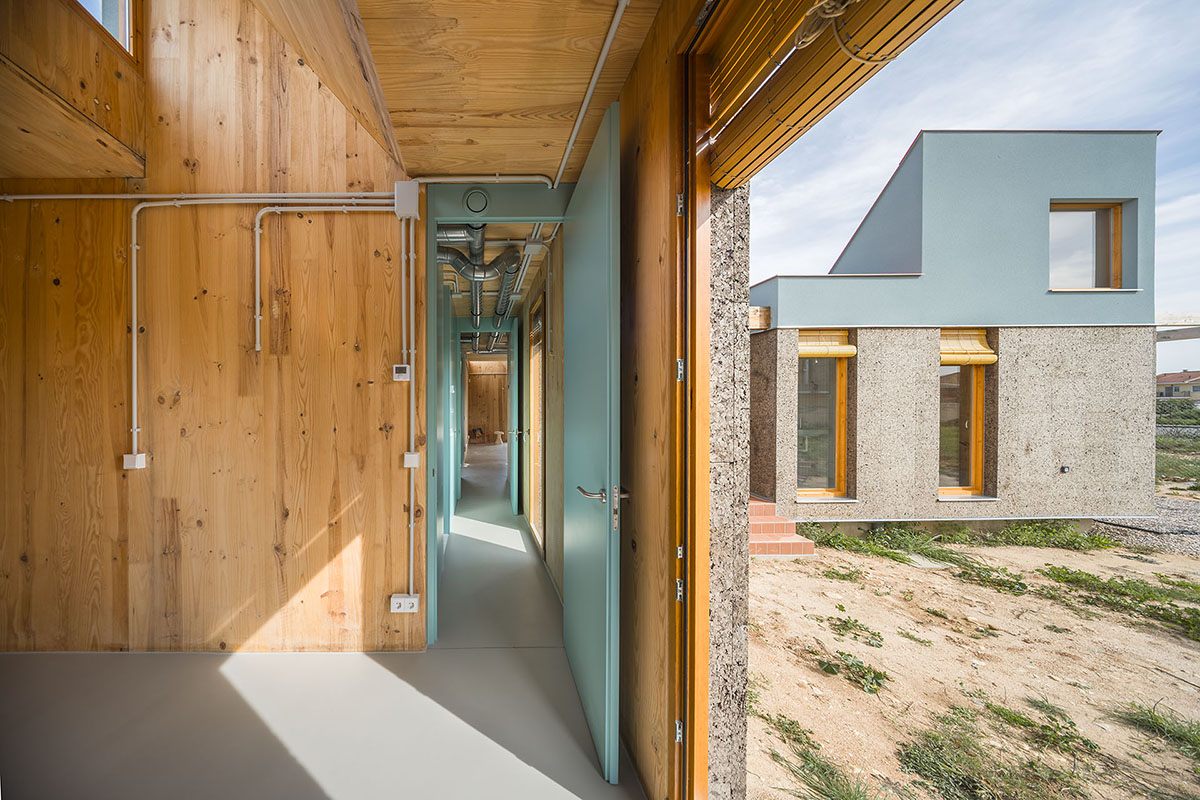
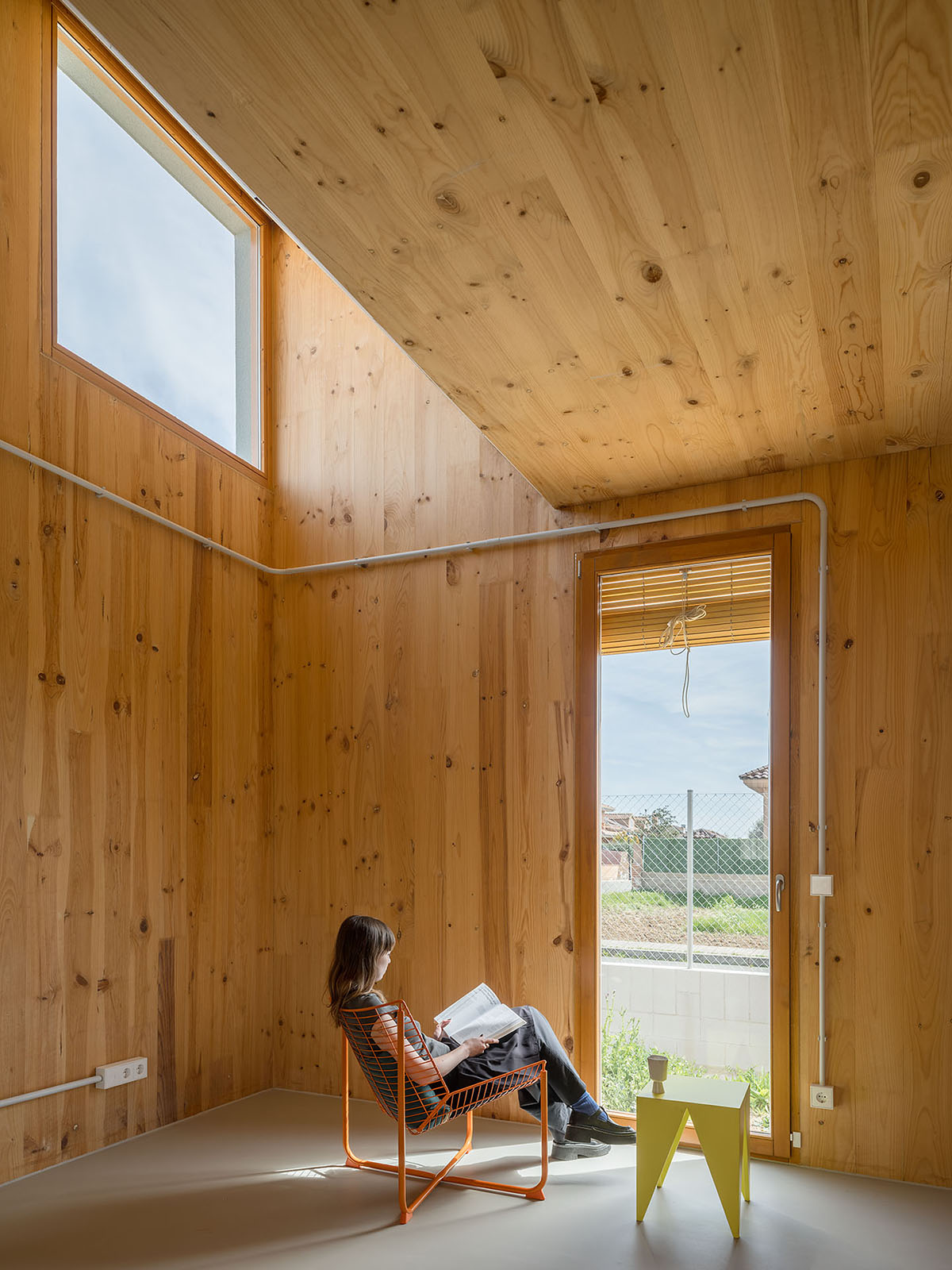
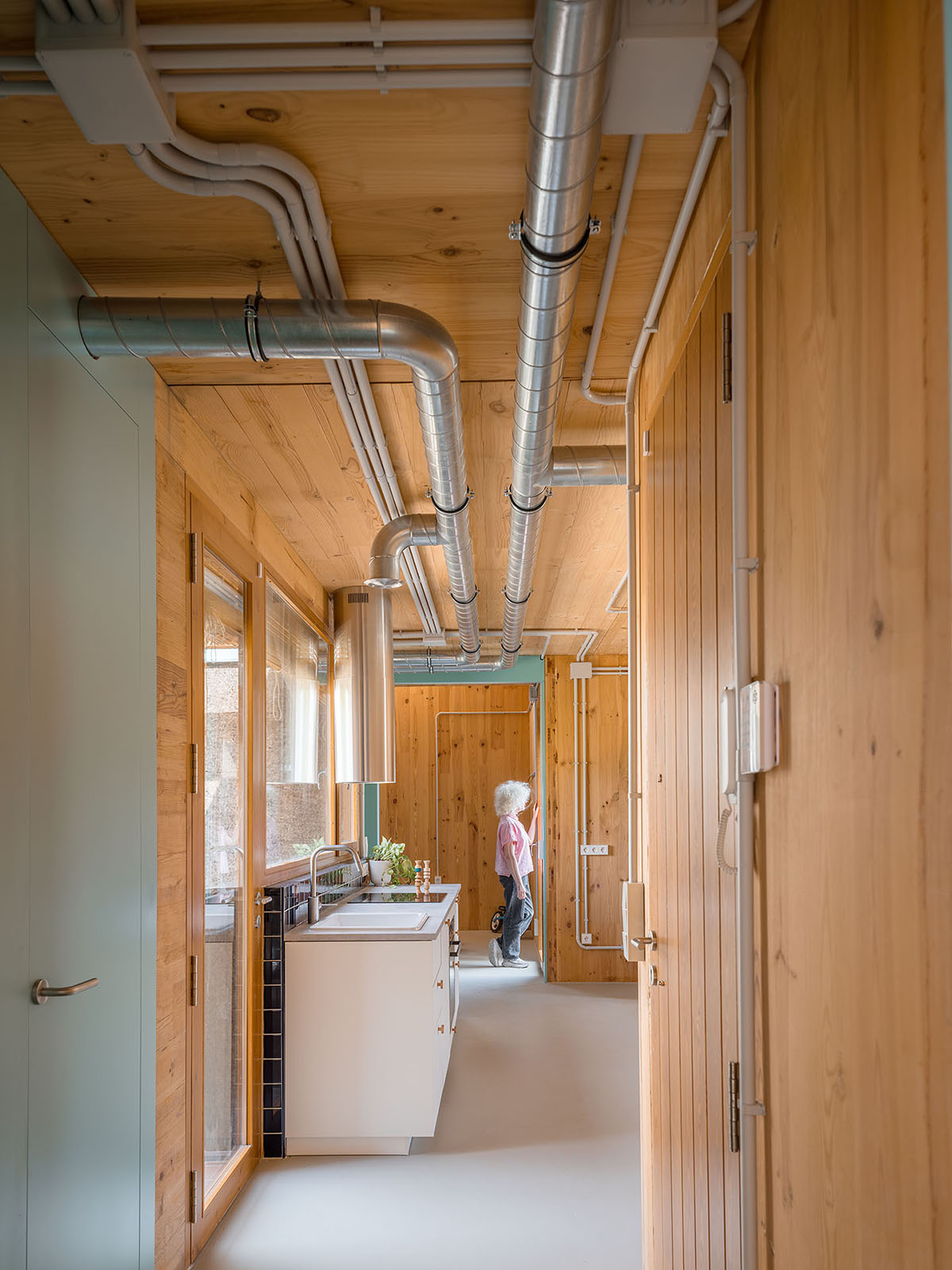
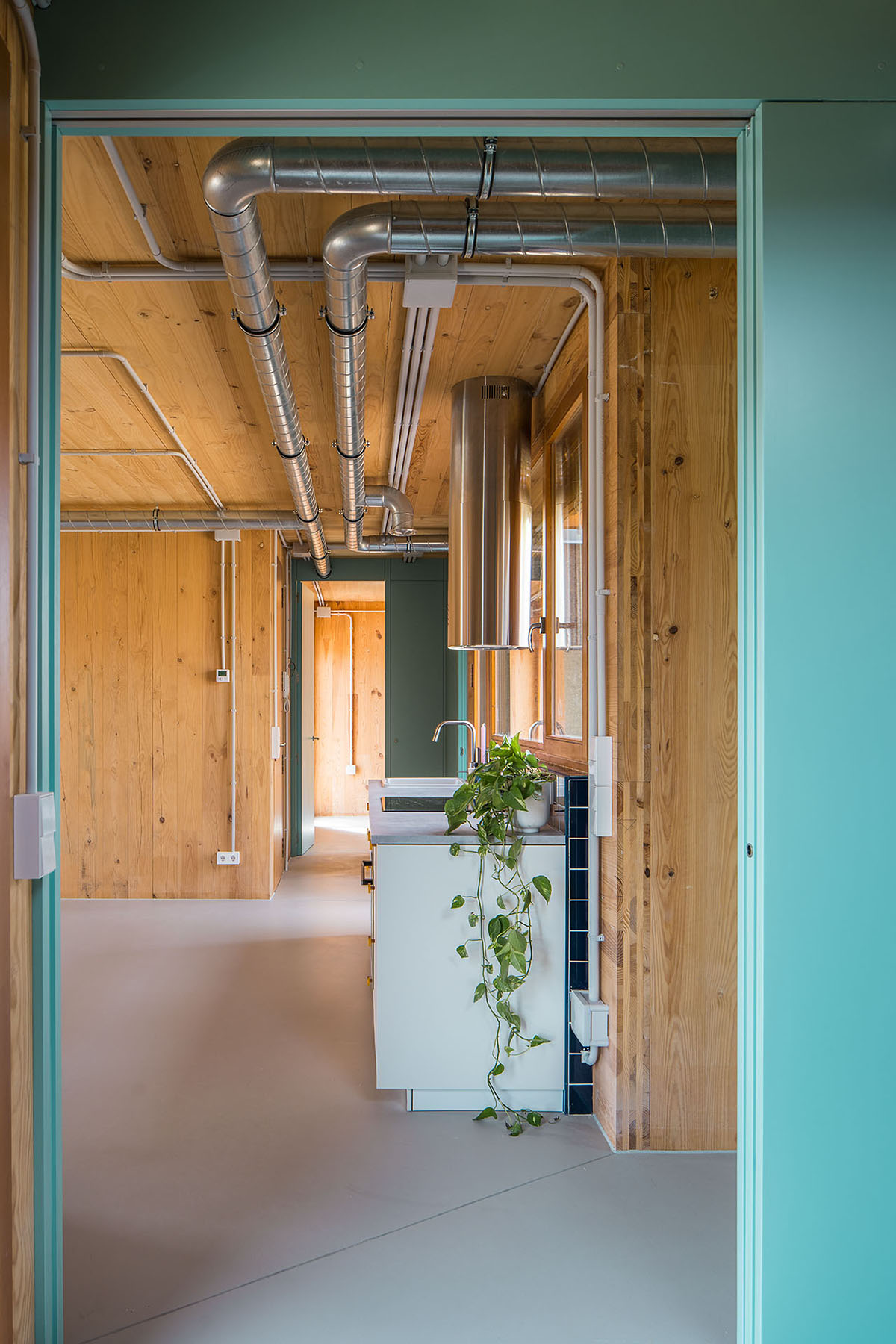
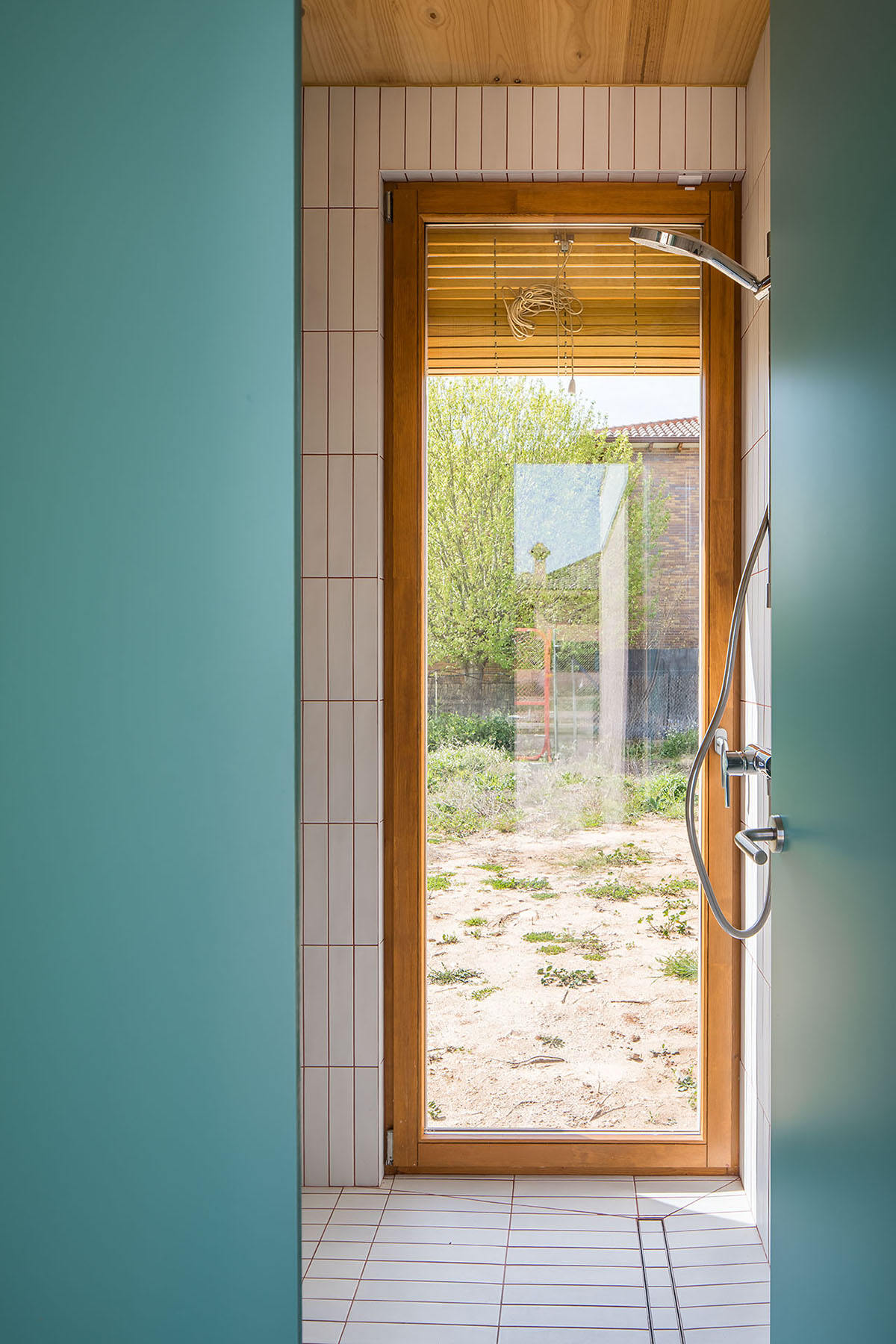
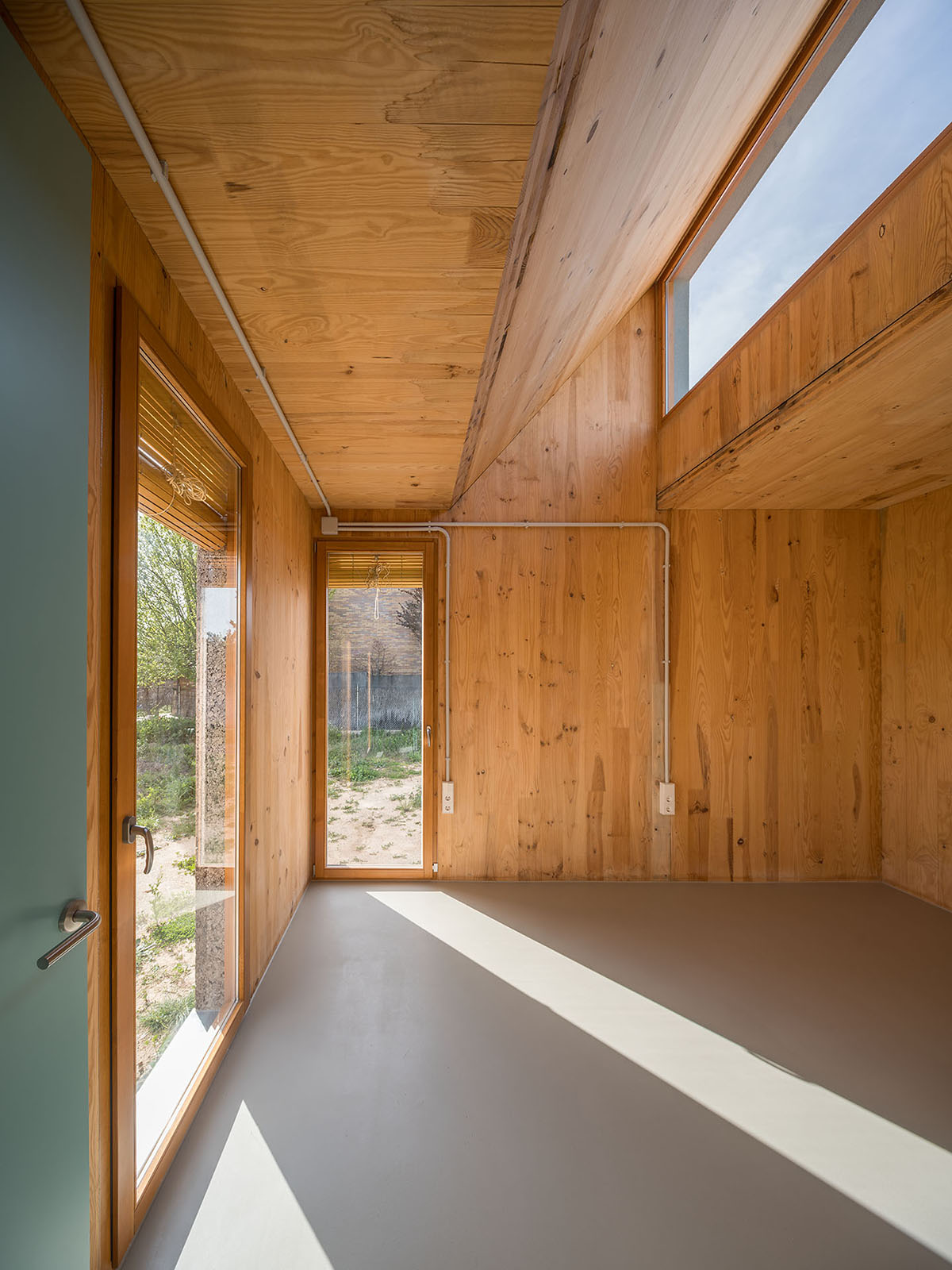
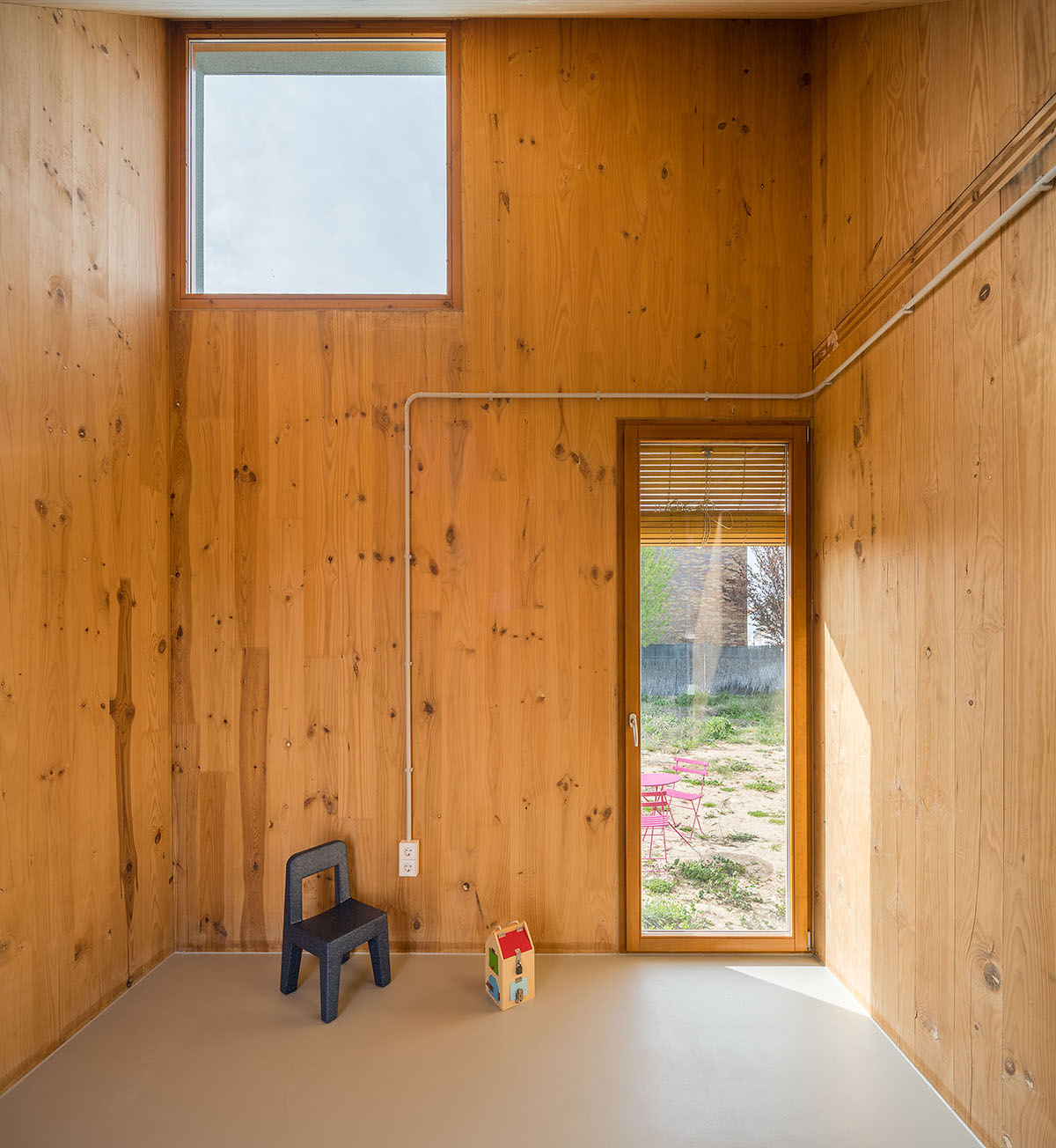
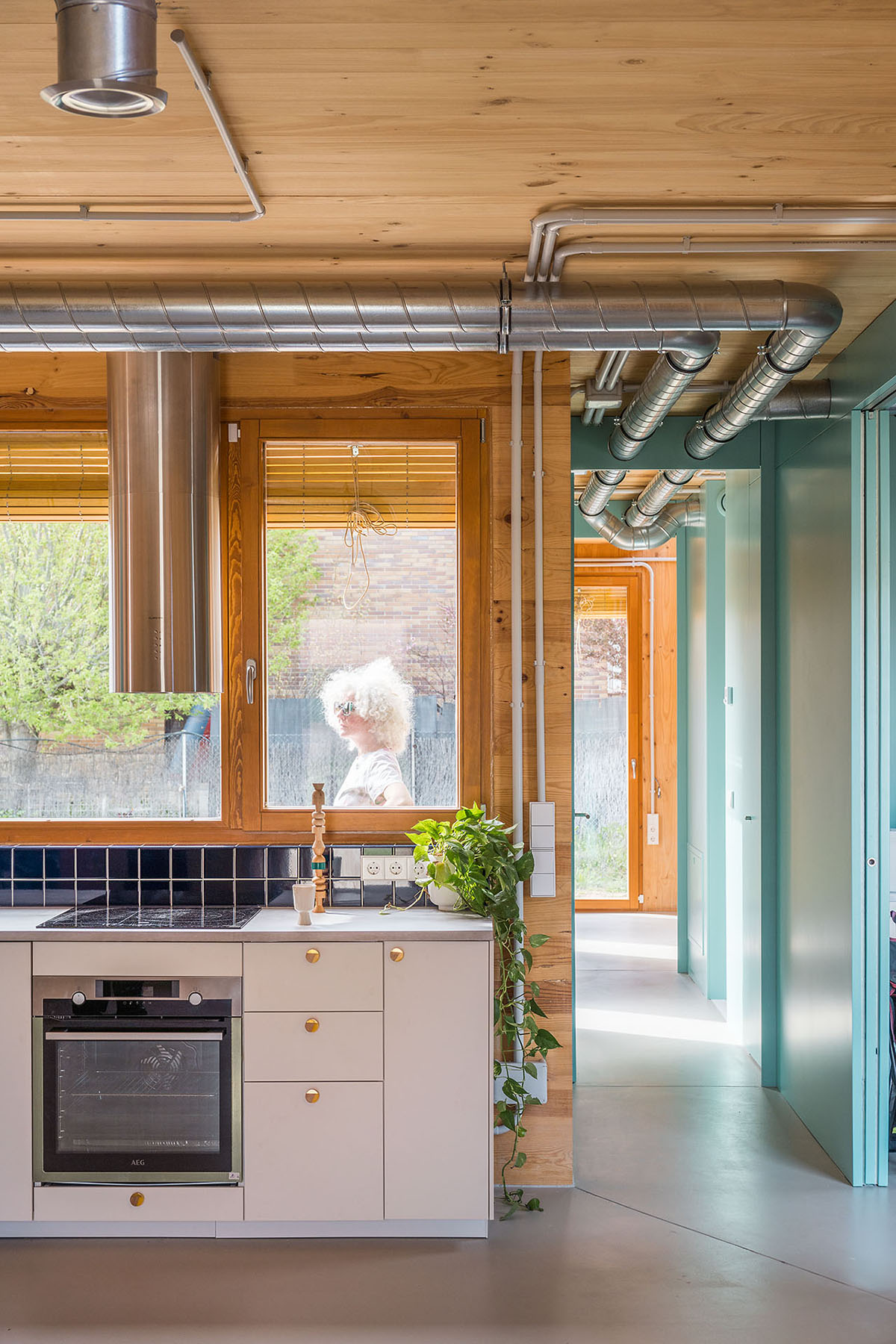
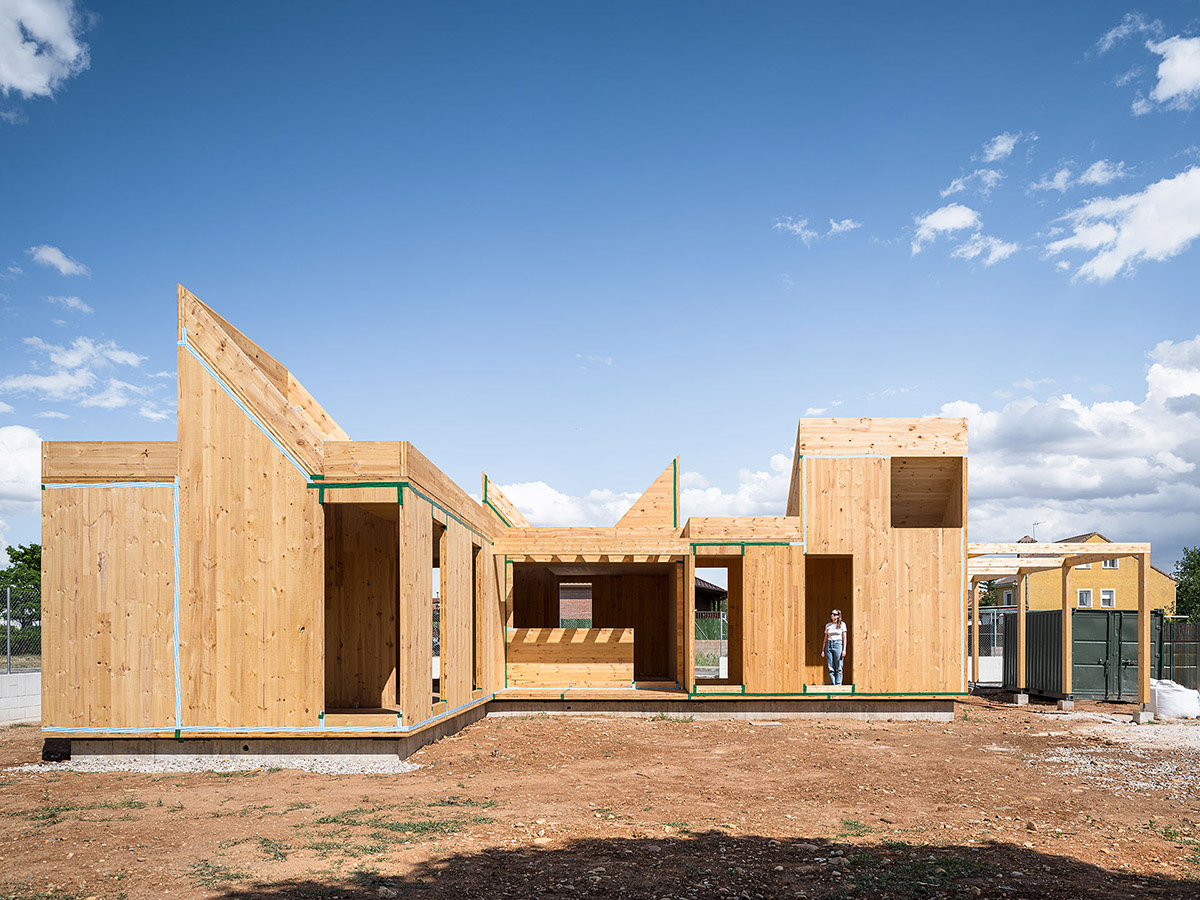
Most of the joinery is done using dry construction, which will allow many of the components to be removed and recycled, facilitating the possibility of taking part in the future of a circular construction. In order to reduce the ecological impact, the number of layers of facing is kept to a minimum, leaving the cross-laminated structural timber and the utility networks in plain sight. This limited use of material is heralded as an opportunity to explore other aesthetics without sacrificing the affective dimension of the indoor and outdoor spaces.
Lastly, the inhabitants’ participation will prove crucial to fine-tuning the ecological behaviour of the house based on daily rituals that range from raising and lowering the venetian blind to habits in recycling, composting, making efficient use of water, etc.
Construction detail, ecological contract
1. Ecological contract. The ecological performativity of architecture involves understanding the construction processes as ecological commitments to a wide range of spatial and temporal scales.
Construction detail = ecological gateway
2. Dis-assembly. Construction processes that allow for components to be dis-assembled and recycled.
Provisional unions; circular constructions.
3. Minimal layers. Limiting components to only the strictly necessary for purposes of reducing the ecological repercussion.
Material limits; aesthetic, affective and ecological opportunities.
4. De-carbonisation. Material strategies to minimise CO2 emissions. Controlling the ecological footprint. Making use of biomaterials. Attending to the chains of custody. Reducing the operational energy. Using renewable sources. Cutting back on dependence on fossil resources. Biogenic carbon capture.
Spatial operations = intra-scalable strategies.
5. Architectural hardware. Basic spatial configuration adaptable by the inhabitants, in successive phases.
Diverse lives, adaptable architectures, experiments with oneself.
6. Several houses in one. Modular system to foster a flexible functional organisation.
A house is a house is a house.
7. Intra-actions. Strategies for activating links with other bodies: inhabitants, people, plants, birds, micro-organisms, technologies, imaginaries....
Construction = interface.
8. Desire. Ecology is also always an ecology of desire. Ecosystemic relationships (are) unfold(ed) (in) desiring fields.
Construction details = infrastructures of desire.
- Architects:
- elii - Uriel Fogué, Eva Gil, Carlos Palacios
- Architect team leader:
- elii - Teresa Martínez Pagés
- Collaborators:
- elii - Teresa Martínez Pagés, Javier Elices y Jorge Zurita
- Surveyors:
- Samuel Escudero Arias – BTA (Building Technical Assistance)
- Structures:
- Altermateria y Mecanismo
- Mechanical:
- Andrés Español – Tak Arquitectura
- Developers:
- Ángela Melado y Álvaro Valle
- Construction:
- Servicios y Reformas SAS y Aniceto Jiménez
- Photografies and video:
- ImagenSubliminal – www.imagensubliminal.com
- (Miguel de Guzmán + Rocío R. Rivas)
- Models:
- María Jerez y Teresa Martínez Pagés
- Surface:
- 126,10m2
- Date:
- 2024
- Location:
- Valdetorres de Jarama, Madrid